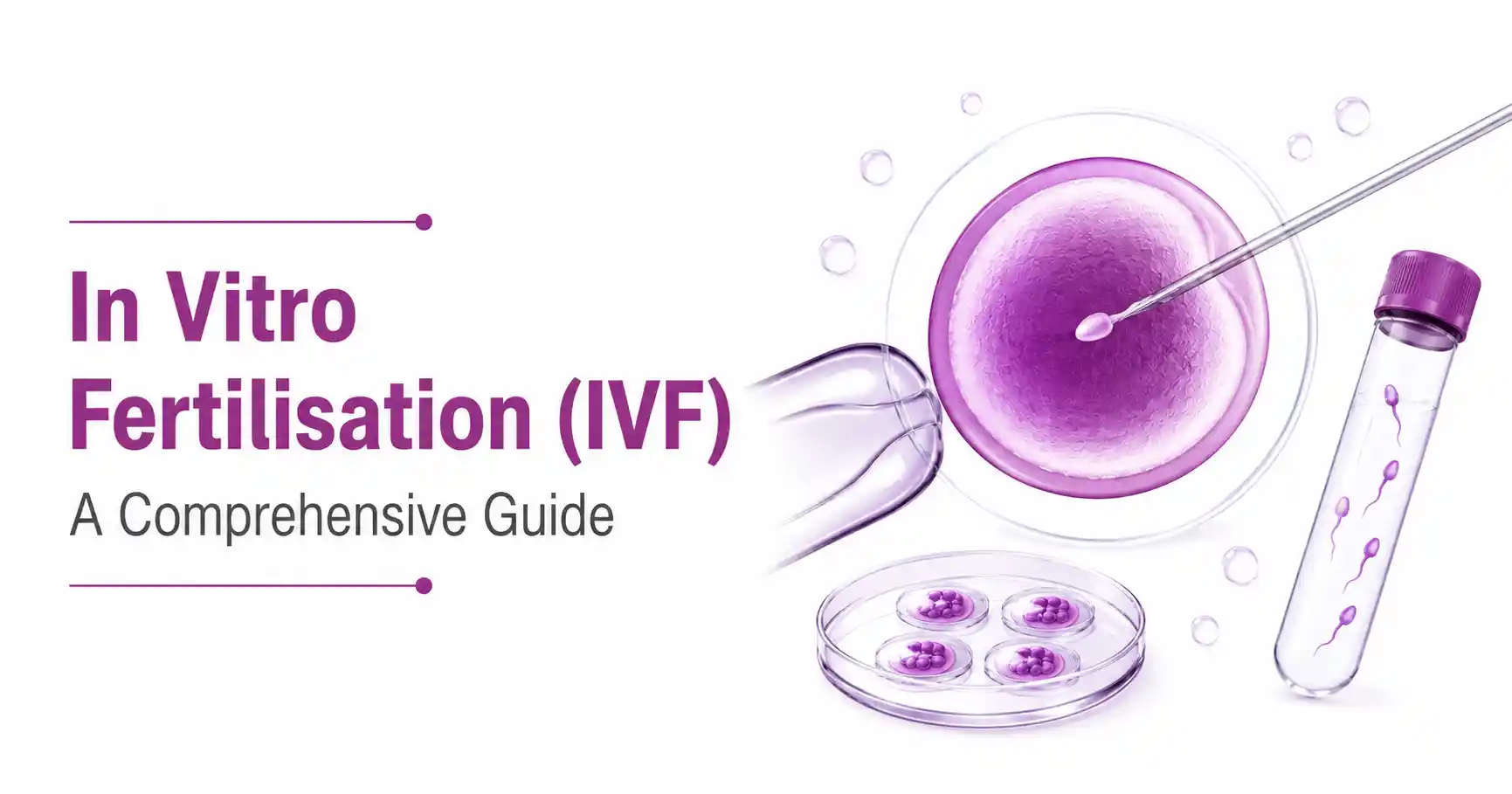


IVF (In Vitro Fertilisation) is one of the most effective fertility treatments available today. It helps couples and individuals achieve pregnancy when natural conception is difficult due to age, blocked fallopian tubes, ovulation problems, male infertility, or unexplained infertility.
While IVF has helped millions of people become parents worldwide, success depends on several factors, including age, egg and sperm quality, overall reproductive health, and the fertility treatment plan recommended by your doctor. In this guide, you’ll learn how IVF works, who needs it, success rates, costs, risks, preparation, and what to expect at every stage.
Table of Contents
What is IVF (In Vitro Fertilisation)?
IVF or In Vitro Fertilisation, also known as assisted reproduction technology (ART) is the process in which your eggs are extracted, and a sperm sample is retrieved to initiate the fertilisation procedure. The IVF treatment is the finest and most reliable solution that can help couples overcome their infertility issues.
The technology is identified as the outstanding solution to treat different infertility problems such as ovulation, blocked Fallopian tubes, and so on. If you have been suffering from any of these issues hampering your parenthood, visiting the best IVF treatment clinic can ensure taking away all your worries.
Quick Summary About IVF in India
| Factor | Details |
| Full Form | In Vitro Fertilisation |
| Treatment Type | Assisted Reproductive Technology (ART) |
| Time Required | Around 4–6 weeks per cycle, depending on various factors |
| Success Rate | Depends on age, type, cause, and IVF clinic |
| Cost in India | ₹1 – 3.5 lakh per cycle |
| Suitable For | Male infertility, female infertility, unexplained infertility |
| Main Goal | Achieving pregnancy when natural conception is difficult |
How Common is IVF Treatment in India?
Well, the infertility rate is increasing rapidly every year. This could be a result of poor lifestyle, food choices, lack of exercise, and increasing pollution. According to the latest data from the United Nations Population Division, the fertility rate in India has been declining consecutively from 1950 to 2023 and is expected to go below. Earlier, the fertility rate used to be 5.9, which has narrowed down to 2.0 only.
In such cases, IVF treatment helps parents achieve their dream of having a child. According to a report by Ernst & Young, 2.5 million cycles are performed yearly at a global level, out of which India has only 2-2.5 lakh cycles every year.
Why is IVF Becoming More Common in India in 2026?
The demand for IVF treatment has increased significantly in India over the past decade. Several factors contribute to this growing trend:
- Many couples are going for delayed marriage and parenthood, resulting in low fertility after 35 years of age.
- Higher cases of PCOS affect women of reproductive age, which interferes with regular ovulation cycles.
- Growing awareness of male infertility, such as low sperm count, poor sperm motility, and abnormal sperm morphology, is being diagnosed more frequently.
- Lifestyle factors such as obesity, poor dietary habits, smoking, alcohol consumption, lack of exercise, and inadequate sleep can negatively impact reproductive health in both men and women.
- Higher stress levels due to work, family and environment are reducing overall reproductive well-being.
- Exposure to air pollution, pesticides, industrial chemicals, and other environmental toxins is increasingly being studied for its possible impact on fertility.
Who Needs an IVF Treatment?
While IVF is commonly associated with blocked fallopian tubes or age-related fertility decline, it can also help people facing male infertility, unexplained infertility, recurrent pregnancy loss, or previous failed fertility treatments. Here are some situations in which IVF is needed:
- Fallopian Tube Damage: If the Fallopian tube is damaged or blocked, egg fertilization becomes difficult. So, in such cases, IVF treatment is the best possible way out.
- Ovulation disorders: These also cause fertilisation problems, so IVF treatment is recommended.
- Endometriosis: This can occur when tissue implants outside the uterus, affecting the function of other parts. This can also lead to shattering your dream of becoming parents, but IVF here again comes to the rescue.
- Age Factor: Women of 30 or 40 years’ age usually experience uterine fibroid causing infertility, so IVF is suggested.
- Poor Sperm Morphology: Poor mobility or morphology is another condition that makes it difficult for sperm to fertilise eggs, and IVF treatment remains the only solution to becoming a parent
- Genetic Disorder: A genetic disorder is another condition in which IVF treatment is recommended as there is a high chance of passing on the disorder to the child.
- Low Ovarian Reserve: Women with a low ovarian reserve have fewer eggs available than expected for their age. Since fertility naturally declines as egg quantity and quality decrease, IVF may be recommended to maximise the chances of fertilisation using the available eggs.
- Recurrent Miscarriage: Repeated pregnancy loss can sometimes be linked to chromosomal abnormalities, uterine conditions, or other fertility-related factors. IVF, along with advanced techniques, is suggested in such cases.
- Unexplained Infertility: Sometimes, fertility tests may appear normal, yet pregnancy does not occur despite regular unprotected intercourse. This is known as unexplained infertility. In such cases, IVF can improve the chances of conception by assisting the fertilisation process and closely monitoring embryo development.
- Health Problems: If a female has cancer and is planning for cancer treatment, then in conditions like this, IVF is the solution for fertility preservation. The eggs are taken out for harvesting and then frozen for further use.
Crysta IVF Expert Advice on Common Mistakes Patients Make Before Starting IVF
“As fertility specialists, we meet patients who wish they had known certain things before beginning their IVF journey. While IVF has helped millions of people achieve parenthood, the preparation phase is just as important as the treatment itself. Avoiding some common mistakes can help you make more informed decisions and approach treatment with realistic expectations.
- Waiting too long to seek fertility help
- Assuming fertility is only a female concern
- Choosing a clinic based only on cost
- Expecting guaranteed success in the first cycle
- Not asking enough questions of the doctors
- Comparing your journey with someone else’s
Remember, the most successful IVF journeys usually begin with good preparation, realistic expectations, and open communication with your fertility team. Understanding your fertility health early, adopting healthy lifestyle habits, and choosing a clinic that provides personalised care can help you navigate the IVF process with greater confidence and clarity.
Dr. Nidhi Sehrawet, MBBS, M.S.OBGY & FRM and FIAGE (19+ Years of experience)
How Does the IVF Process Work Step by Step?
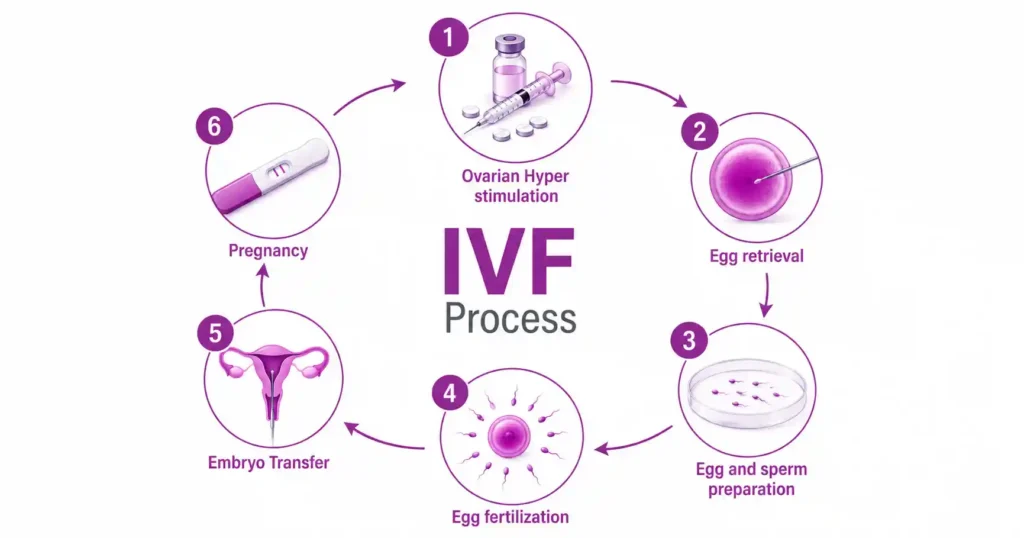
IVF treatment involves a series of carefully planned steps designed to help achieve fertilisation and pregnancy. The process typically takes 4 to 6 weeks and includes ovarian stimulation, egg retrieval, fertilisation in a laboratory, embryo development, embryo transfer, and a pregnancy test. While every treatment plan is personalised, here is the common IVF process step by step:
Step 1: Egg Stimulation
The IVF journey begins with fertility medications that stimulate the ovaries to produce multiple mature eggs. Producing more eggs increases the chances of creating healthy embryos for transfer. Further, you have to undergo transvaginal ultrasounds and some blood tests recommended by the doctor frequently throughout the IVF journey.
What You May Experience During Egg Stimulation?
- Daily hormone injections for 8 – 14 days (for a few conditions)
- Frequent clinic visits for monitoring
- Mild bloating or abdominal heaviness
- Breast tenderness
- Mood changes due to hormonal fluctuations
Step 2: Egg removal
Once the eggs have matured, a trigger injection is given to prepare them for collection. Using ultrasound guidance, the doctor inserts a thin needle through the vaginal wall to collect eggs from the ovaries. The procedure usually takes about 20 to 30 minutes, and most patients can return home the same day.
What You May Experience During Egg Removal?
- You will not feel pain during the procedure because of sedation
- Mild cramping or spotting may occur afterwards
- Most patients return home the same day
- Normal activities can often be resumed within 24 hours
Step 3: Sperm Collection from the Partner or Donor
On the day of egg retrieval, a semen sample is collected from the male partner or a sperm donor. The sample is then processed in the laboratory to select the healthiest and most active sperm for fertilisation.
Step 4: Egg Fertilisation & Embryo Development
The retrieved eggs and prepared sperm are combined in the laboratory to achieve fertilisation. In some cases, a specialised procedure called Intracytoplasmic Sperm Injection (ICSI) may be used, where a single sperm is injected directly into an egg. The fertilised eggs are then monitored for several days as they develop into embryos.
Step 5: Embryo Transfer
Once the embryos reach the desired stage of development (3rd stage or 5th stage of embryo), one or more embryos may be selected for transfer into the uterus. The procedure is usually quick and painless and does not require anaesthesia. A thin catheter is used to place the embryo inside the uterus, where implantation may occur over the following days.
What You May Experience During Embryo Transfer?
- Usually painless
- No anaesthesia required in most cases
- Mild cramping may occur
- Progesterone medications may continue
Step 6: Pregnancy Test
Approximately 10 to 14 days after embryo transfer, a blood test called beta-hCG is performed to check whether implantation has occurred and pregnancy has been achieved. If the result is positive, further blood tests and an ultrasound scan may be recommended to monitor the pregnancy.
What You May Experience
- The “two-week wait” can be emotionally difficult
- You may notice mild symptoms or no symptoms at all
- A positive test is usually followed by an ultrasound scan
How Long Does the IVF Process Take? A Week-by-Week Timeline
A typical IVF cycle usually takes 4 to 6 weeks from the start of ovarian stimulation to the pregnancy test. However, the exact timeline can vary depending on your treatment plan, response to medications, and whether additional procedures are required. Understanding what happens during each stage can help you feel more prepared throughout the IVF journey.
| Week | What Happens? | What You May Experience |
| Week 1 | Initial consultation, fertility tests, treatment planning, and the start of ovarian stimulation medications. | Daily hormone injections, clinic visits, blood tests, and ultrasound scans. |
| Week 2 | Continued ovarian stimulation and monitoring. Once the follicles reach the desired size, a trigger injection is given, followed by egg retrieval. | Mild bloating, abdominal fullness, and temporary discomfort after egg retrieval. |
| Week 3 | Fertilisation takes place in the laboratory using IVF or ICSI. Embryos are monitored for development, and embryo transfer is usually performed 3 – 5 days later. | Minimal physical discomfort but often an emotionally significant waiting period for embryo development updates. |
| Week 4 | The “two-week wait” begins after embryo transfer. The embryo may implant into the uterine lining during this period. | Mild cramping, breast tenderness, bloating, or no symptoms at all. |
| 10 – 14 Days After Transfer | A blood test (beta-hCG) is performed to determine whether pregnancy has been achieved. | Anticipation and anxiety are common while waiting for results. |
| 2 – 3 Weeks After a Positive Test | An ultrasound scan may be scheduled to confirm the pregnancy and check fetal development. | Continued pregnancy monitoring and follow-up appointments. |
Note: Every IVF journey is different. Some patients may require additional testing, frozen embryo transfer cycles, genetic testing, or changes to their treatment protocol, which can extend the overall timeline.
What are the Compulsory Tests Before the IVF Treatment?
Before starting an IVF cycle, fertility specialists perform several tests to assess the reproductive health of both partners and create the most suitable treatment plan. These tests help identify potential fertility issues, evaluate egg and sperm quality, assess the condition of the uterus and fallopian tubes, and detect any underlying medical conditions that may affect treatment outcomes.
Tests Required Before Undergoing IVF:
| Test | Why it is Done? |
| AMH | Ovarian reserve |
| AFC Scan | Egg count |
| HSG | Tubes |
| Semen Analysis | Male fertility |
| Thyroid | Hormones |
| Infection Screening | Safety |
- Ovarian Reserve Testing:
It is a blood test that assists doctors in understanding the number of eggs present in your body. The tests include FSH (follicle-stimulating hormone, Estradiol, and AMH (anti-Mullerian Hormone tests.)
It helps in the evaluation of Fallopian tube patency by inserting a contrast agent.
It is initiated to evaluate the number of sperm available in the male body. Other parameters include motility and shape. It helps the doctor decide whether there is a need for ICSI (Intracytoplasmic Sperm Injection) or not, or if IUI is required.
- A Thyroid Hormonal Test
This is also required to detect normal body metabolism. If the levels are abnormal, then you’ll be given medications.
- Infection Screening
Infection screening is to identify different diseases such as Hepatitis C, Hepatitis B, HIV, and Syphilis. These diseases can lead to serious problems, so they need to be detected beforehand.
Are There Some Medications Used for IVF Treatment?
Yes, there are some medications used during IVF treatment. While some are injected, absorbed through the skin, or inserted into the vagina, others are taken orally. Your doctor will specify the precise dosage and time depending upon the treatment plan.
Here are some common medications that are suggested:
- Your ovaries are stimulated to generate eggs by the follicle-stimulating hormone (FSH). This is carried out for roughly 14 days. You may experience a little bloating and nausea during FSH stimulation.
- Human chorionic gonadotropin (hCG): Usually administered as a last dose to cause your eggs to develop and initiate ovulation. Some women experience mild cramps, which is completely normal.
- Leuprolide acetate is an injection-based gonadotropin-releasing hormone (GnRH) that can be used as a trigger shot or to help regulate the stimulation process.
- Progesterone: It is commonly prescribed after embryo transfer to support the uterine lining and create a favourable environment for embryo implantation. It may be given as injections, tablets, or vaginal supplements and is usually continued until pregnancy is confirmed and, in some cases, during the early weeks of pregnancy.
However, after the embryo transfer, the majority of patients are prescribed estrogen supplements. This hormone helps in thickening their uterine lining. Additionally, progesterone is administered to increase the likelihood that an embryo will implant and develop into a healthy pregnancy. This usually lasts the entire first trimester. These drugs can be administered orally or through injections.
What is the Cost of Undergoing an IVF Cycle?
The cost of one IVF cycle in India typically ranges from ₹1 lakh to ₹3.5 lakh. However, the final cost can vary significantly depending on the fertility clinic, the patient’s age and medical condition, the number of IVF cycles required, and whether additional procedures are needed. However, the factors affecting the cost of IVF treatment include:
- The IVF centre you choose: Established clinics with higher success rates may charge more.
- Doctor’s fees: Highly experienced specialists might have higher consultation and procedure fees.
- Age and medical history of the patient: Age affects the IVF success rate, thereby increasing the cost of IVF for multiple procedures.
- Location of the clinic: IVF centres in metropolitan cities in India cost more.
- The cost of medicines: Fertility drugs can add to the overall expense.
- No. of IVF cycles: Multiple cycles may be needed, affecting the total cost.
- Cause of infertility: The cost can be affected by the infertility cause (genetic, fallopian tube damage, endometriosis, etc)
- Additional procedures involved: Techniques like Intracytoplasmic Sperm Injection (ICSI) or Preimplantation Genetic Testing (PGT) can increase costs.
So, if IVF is the only solution for you to experience parenthood, you must first pay a visit to the IVF infertility clinic and talk to your doctor. They can guide you better with every penny you’ll be spending on the treatment. At Crysta IVF, to make the treatment more affordable, we offer a no-cost EMI option to fulfil your dream of parenthood.
Also Read: Facts You Didn’t Know About Cost Of IVF Treatment In India
How is the Cost of IVF Calculated?
The total IVF cost is quoted as a package price, but it is made up of several individual components. Understanding these expenses can help you plan your finances better. The table below provides an approximate breakdown of the common costs involved in a standard IVF cycle in India.
| IVF Cost Component | Approximate Cost |
| Consultation | ₹500 – ₹2,000 |
| Fertility Tests & Investigations | ₹10,000 – ₹20,000 |
| Fertility Medicines & Injections | ₹40,000 – ₹80,000 |
| Egg Retrieval Procedure | Usually Included in IVF Package |
| Embryology Laboratory Charges | Usually Included in IVF Package |
| Embryo Transfer Procedure | Usually Included in IVF Package |
Note: The actual cost may vary depending on the fertility clinic, treatment protocol, medications prescribed, and whether additional procedures such as ICSI, embryo freezing, donor programs, or genetic testing are required.
What is the Cost of IVF in India Based on Different Cities?
The Cost of IVF in India can vary based on the city where you are undergoing the treatment. Here is the average cost of IVF in different cities in India:
| City of IVF Treatment | Approximate Cost Range (INR) |
|---|---|
| IVF cost in Delhi | ₹1,00,000 – ₹2,50,000 |
| IVF cost in Mumbai | ₹1,50,000 – ₹3,00,000 |
| IVF cost in Chennai | ₹1,00,000 – ₹2,50,000 |
| IVF cost in Bangalore | ₹1,40,000 – ₹2,75,000 |
| IVF cost in Kolkata | ₹1,00,000 – ₹2,50,000 |
| IVF cost in Hyderabad | ₹1,00,000 – ₹2,50,000 |
| IVF cost in Pune | ₹1,50,000 – ₹2,75,000 |
| IVF cost in Ahmedabad | ₹1,00,000 – ₹2,50,000 |
Note: Please note that these figures are approximate and can vary based on individual clinics and specific treatment requirements.
How Can You Save Costs During IVF Treatment?
There are certain ways to reduce IVF treatment costs. It includes:
- Research and compare IVF centers for affordable yet reputable options.
- Look for clinics offering package deals that include medications, consultations, and procedures.
- IVF costs vary across cities; hence, choose a city with lower costs.
- Some clinics offer low-cost IVF cycles with fewer medications, reducing overall expenses.
- Look for EMI options, discounts, or government schemes that support IVF treatment.
- Frozen embryo transfer (FET) is often cheaper than a fresh IVF cycle.
- Compare prices at different pharmacies and ask your doctor for cheaper alternatives if possible.
- Maintaining a healthy lifestyle can improve IVF success in fewer cycles, saving additional costs.
What is the Success Rate of an IVF Cycle?
The success rate of IVF depends on several factors, including a man’s & woman’s age, overall health, the quality of eggs and sperm, and the doctor’s expertise. On average, the success rate of IVF ranges from 30% to 50% per cycle, with younger women having a higher chance of success.
Factors like embryo quality, lifestyle habits, and the use of advanced techniques such as ICSI (Intracytoplasmic Sperm Injection) or PGT (Preimplantation Genetic Testing) can also influence success rates. Multiple cycles may be needed for a successful pregnancy, so consulting with a fertility expert for personalised advice is essential.
What Factors Affect IVF Success Rates?
IVF success rates can vary from one person to another. While IVF has helped millions of people achieve pregnancy, the outcome depends on several medical, biological, and lifestyle factors. Understanding these factors can help set realistic expectations and allow fertility specialists to create the most appropriate treatment plan.
Some of the most important factors that affect IVF success rate include:
- Age: As a woman gets older, both the quantity and quality of eggs naturally decline, which can reduce the chances of fertilisation.
- Egg Quality: Healthy eggs are essential for creating healthy embryos. Poor egg quality can increase the risk of fertilisation problems, implantation failure, or miscarriage.
- Sperm Quality: Sperm count, motility (movement), and morphology (shape) all play an important role in successful fertilisation. Male fertility issues can affect embryo quality and overall IVF outcomes.
- Body Mass Index (BMI): Being significantly overweight or underweight may affect hormone levels, ovulation, and implantation.
- Smoking and Lifestyle Habits: Smoking, excessive alcohol consumption, poor diet, and lack of physical activity can negatively affect egg quality, sperm health, and overall fertility.
- Uterine Health: A healthy uterus provides the environment needed for embryo implantation and pregnancy growth. Conditions such as fibroids, polyps, endometriosis, or abnormalities of the uterine lining may affect IVF outcomes.
- Fertility Clinic and Laboratory Expertise: The experience of fertility specialists, embryologists, and the quality of laboratory facilities can also influence IVF success. Advanced technology, strict laboratory protocols, and personalised treatment plans may contribute to better outcomes.
What is the IVF Success Rate by Age?
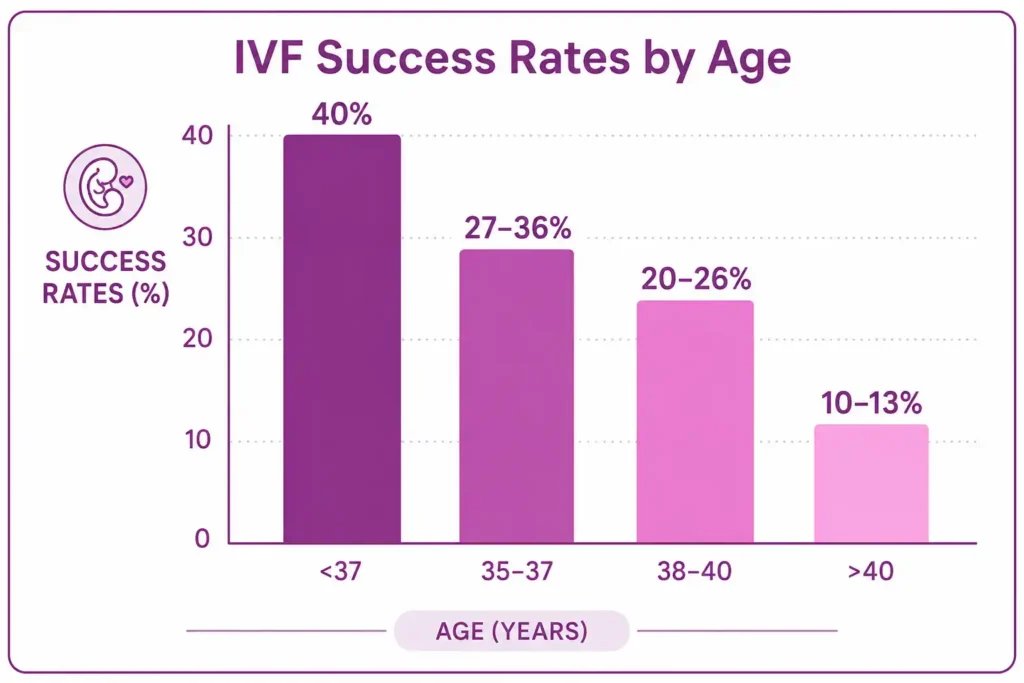
The success rate of any IVF depends highly upon the age of the female. However, it is also dependent on other factors such as the quality of eggs & sperm, the doctor’s expertise, the cause of the problem, etc. According to the latest data of the IVF care centre, here is the IVF Success rate by age:
| Age of the Patient | IVF Success Rate per Embryo Transfer |
| Women under 35 | ~ 32% |
| Ages 35 to 39 | 25% to 19% |
| Ages 40 to 44 | 11% to 5% |
| Ages over 44 | ~ 4% |
Source: nhs.uk
These figures highlight the decline in fertility as women age, emphasizing the importance of considering age when evaluating IVF treatment options. It’s essential to consult with a fertility specialist to understand individual success probabilities and tailor treatment plans accordingly.
For more details read: Age limit for IVF Treatment
What to Expect After Undergoing IVF Treatment?
After undergoing an IVF treatment, you might experience some mild symptoms in your body, but not all women experience them. Here are some symptoms:
- Mild cramps
- Breast tenderness
- Spotting
- Constipation
- Dizziness
These symptoms might disappear after a week or so, but if the symptoms persist for even a longer time, you must immediately connect with a fertility expert.
What are the Side Effects of the IVF Process?
IVF can be emotionally and physically demanding because of repeated appointments, uncertainty, hormonal changes, and waiting periods. These side effects may include infection, bleeding, headaches, mood swings, bloating, cramping and allergic reactions. You can always get in touch with your doctors if you have any doubts or apprehensions.
Some common risks of IVF include:
- Ectopic Pregnancy
- Complications during egg retrieval
- Abdominal pain and nausea
- Miscarriage
- Twins Birth
IVF treatment can be very traumatic for anyone (partner and family). There are even people who have to experience depression and stress during the process. So, it is always better to talk with people who have experienced infertility issues or have undergone the IVF process. It will help you overcome all your fears. You can also consider reaching therapists and counsellors, as they are the best sources when you are experiencing discomfort.
How to Choose the Best IVF Centre for Treatment?
Choosing the best IVF centre in India is one of the most important decisions in your fertility journey. While success rates often influence this choice, they should not be the only factor you consider. Before choosing an IVF centre, consider the following factors:
- Doctor’s Speciality
It can be difficult to find a fertility specialist who meets your needs. Trust and the doctor-patient relationship are critical to any treatment. Make sure the fertility doctor you choose is highly qualified, knowledgeable and someone you feel at ease with.
- The Centre’s Quality for IVF
When it comes to IVF treatment, quality is crucial. Locating an IVF facility with a strong commitment to quality is crucial. The following are the essential certifications, standards, and quality compliances:
- The Indian Council of Medical Research (ICMR) should certify it.
- The ART law’s criteria, guidelines, and restrictions should be adhered to by the fertility clinic.
- Personalised Care and Treatment
A fertility therapy can be a very emotional experience. Choosing an IVF facility that provides individualised, compassionate care throughout the IVF process, as well as mental health assistance, is crucial. Seek out a facility with personnel who can address your issues and needs.
- Facilities Offered
Make the decision to visit a clinic that has the newest, most advanced equipment and technology. In vitro maturation (IVM), assisted hatching, intrauterine insemination (IUI), and other fertility treatments should be performed in specialised facilities that are maintained in accordance with standards and norms at an IVF clinic.
- Freezing or Preserving Embryos
For couples who are unable to prepare for conception right away, embryo freezing is a necessary facility and cutting-edge technology. During an IVF procedure, not every embryo created is used for implantation. Liquid nitrogen is utilised to freeze the extra embryos for later use. Therefore, it’s critical to find out if the IVF facility offers embryo freezing.
- Success Rates for IVF
Progress in reproductive medicine is always being made to improve success rates. Since then, IVF technology has helped millions of parents welcome their biological children. The couple should know the success rates before committing to an IVF facility so they may make an informed decision and have reasonable expectations.
- Cost of an IVF Package
The cost of fertility treatments is high. It is crucial to understand the cost of the IVF package before beginning any reproductive treatment. You can plan everything financially in advance by knowing the cost of the IVF package. Select an IVF facility with no hidden fees and a clear pricing structure.
- The Clinic’s Location
Although it might not seem significant, the location of the IVF clinic should be taken into account. Because of the frequent visits, choosing a centre that is conveniently placed not only saves time but also lessens the stress of travelling.
IVF vs IUI vs ICSI: Which Fertility Treatment Is Right for You?
IVF, IUI, and ICSI are among the most commonly used fertility treatments, but they differ in how fertilisation occurs and the fertility conditions they are designed to treat. The right treatment depends on several factors, including age, the cause of infertility, sperm quality, previous treatment history, and the fertility specialist’s recommendations.
Here is a detailed comparison between IVF, IUI and ICSI treatment
| Factor | IUI (Intrauterine Insemination) | IVF (In Vitro Fertilisation) | ICSI (Intracytoplasmic Sperm Injection) |
| What Happens? | The washed sperm from the father is placed directly inside the uterus during ovulation. | Eggs from the mother and sperm from the father are combined in a laboratory for fertilisation. | A single sperm from the father is injected directly into an egg in the laboratory. |
| Where Does Fertilisation Occur? | Inside the woman’s body. | Inside the embryology laboratory. | Inside the embryology laboratory. |
| Best Suited For | Mild male infertility, ovulation disorders, unexplained infertility, donor sperm cases. | Blocked fallopian tubes, endometriosis, advanced maternal age, failed IUI cycles, unexplained infertility. | Severe male infertility, very low sperm count, poor sperm motility, previous fertilisation failure. |
| Treatment Complexity | Low complexity procedure | Moderate to High | Highly complex procedure |
| Typical Treatment Duration | IUI requires around 2 – 3 weeks | IVF requires around 4 – 6 weeks | ICSI requires around 4 – 6 weeks |
| Approximate Cost in India | ₹8,000 – ₹25,000 per cycle | ₹1 lakh – ₹3.5 lakh per cycle | Usually higher than standard IVF due to additional laboratory procedures |
| Success Rate Per Cycle | Generally lower than IVF | Higher than IUI in many infertility conditions | Similar to IVF but may improve fertilisation rates in male-factor infertility |
Which Treatment is Right for You Between IVF, IUI and ICSI?
The right fertility treatment depends on the underlying cause of infertility, your age, reproductive health, previous treatment history, and family-building goals. In general:
- IUI is recommended as a first-line treatment for couples with mild fertility issues, ovulation disorders, or unexplained infertility.
- IVF may be advised when pregnancy has not occurred after multiple IUI attempts or when conditions such as blocked fallopian tubes, endometriosis, advanced maternal age, or unexplained infertility make natural conception more challenging.
- ICSI is recommended for severe male infertility, very low sperm count, poor sperm motility, or previous fertilisation failure during IVF.
What Happens if IVF Fails?
An unsuccessful IVF cycle can be emotionally challenging, but it does not necessarily mean that pregnancy will never happen. Many people achieve a successful pregnancy after modifying their treatment plan or undergoing additional IVF cycles.
There are several reasons why an IVF cycle may fail, including:
- Poor Egg Quality: Eggs may not fertilise properly or may develop into embryos with reduced implantation potential.
- Poor Sperm Quality: Issues related to sperm count, motility, or morphology can affect fertilisation and embryo development.
- Embryo Development Problems: Sometimes embryos may stop growing before reaching the stage required for transfer.
- Implantation Failure: Even good-quality embryos may not successfully implant in the uterine lining.
- Uterine Factors: Conditions such as fibroids, polyps, scar tissue, or abnormalities of the uterine lining can affect implantation.
- Genetic Factors: Chromosomal abnormalities in the embryo may prevent successful implantation or increase the risk of miscarriage.
- Lifestyle and Health Factors: Smoking, obesity, uncontrolled medical conditions, and other lifestyle factors may impact treatment outcomes.
What Are the Next Steps After a Failed IVF Cycle?
The next step depends on the individual circumstances of the patient. Your fertility specialist may recommend:
- Additional testing to identify underlying fertility issues
- Changes to the medication protocol
- Lifestyle modifications to improve reproductive health
- The use of advanced techniques such as ICSI or genetic testing when medically appropriate
- Frozen embryo transfer (if embryos are available)
- Another IVF cycle with a personalised treatment approach
A failed IVF cycle can provide valuable information that helps doctors refine future treatment plans. Discussing the results with the best fertility expert in India can help determine the best path forward and improve the chances of success in subsequent attempts.
What Questions Should I Ask My Fertility Provider?
Deciding to undergo IVF and choosing a fertility clinic is crucial. Once you are done researching the clinic, you must be prepared to shortlist some questions to ask your doctors. Here are some questions you must definitely ask your doctors:
- What is the success rate of IVF?
- Is IVF the only option for infertility?
- What are the chances of multiple births?
- What is the cost of the IVF procedure?
- Is it possible to keep and freeze embryos?
- Is sex selection permitted?
The very first thing you need to do to deal with the infertility issue is to speak with a doctor. Once you are confident enough to discuss your problem and feel comfortable with your doctor, the IVF procedure will become simpler for you.
What Are the Most Common Myths About IVF?
There are many misconceptions about IVF treatment that can create confusion and unnecessary anxiety for people considering fertility care. Here are some IVF myths and facts to help you make informed decisions about your fertility journey:
| Myth | Fact |
| IVF guarantees pregnancy. | IVF can significantly improve the chances of pregnancy, but it does not guarantee success. Factors such as age, egg quality, sperm quality, embryo quality, and overall reproductive health all influence the outcome. |
| IVF is only for women with fertility problems. | Infertility can affect both men and women. In fact, male infertility contributes to a significant number of infertility cases and may be one of the reasons IVF or ICSI is recommended. |
| Only women over 35 need IVF. | IVF may be recommended at any reproductive age depending on the fertility diagnosis, ovarian reserve, sperm quality, or other medical conditions. |
| One IVF cycle is enough for everyone. | Some people conceive in their first cycle, while others may require multiple attempts depending on age, fertility factors, and embryo quality. |
| IVF always results in twins or triplets. | Modern IVF practices often involve transferring a single embryo when appropriate. This helps reduce the risk of multiple pregnancies while maintaining good success rates. |
| A failed IVF cycle means pregnancy is impossible. | Many people achieve pregnancy after a previous unsuccessful IVF cycle. A fertility specialist can review the cycle and recommend changes to improve future treatment outcomes. |
| Lifestyle habits do not affect IVF success. | Healthy lifestyle choices such as maintaining a healthy weight, avoiding smoking, limiting alcohol, eating a balanced diet, and getting adequate sleep can support reproductive health and treatment outcomes. |
| A good-quality embryo will always implant. | Embryo quality is important, but implantation also depends on factors such as uterine health, genetics, and overall reproductive conditions. |
What are the Do’s and Don’ts of IVF Treatment?
While undergoing IVF treatment, there are a few things you must take care of. Here are a few things you must take care of before undergoing IVF treatment:
| Dos of IVF Treatment | Don’ts of IVF Treatment |
| Follow your doctor’s instructions. | Don’t skip your medication. |
| Maintain a balanced, healthy diet rich in nutrients. | Avoid processed foods, alcohol, and caffeine. |
| Get adequate rest and manage stress through meditation. | Don’t overexert yourself with strenuous physical activities. |
| Stay hydrated by drinking plenty of water. | Don’t consume sugary drinks or excessive caffeine. |
| Take prescribed prenatal vitamins, especially folic acid. | Don’t self-medicate or take unapproved supplements. |
| Maintain a positive attitude and emotional well-being. | Don’t stress too much or dwell on negative outcomes. |
| Inform your doctor about any side effects immediately. | Don’t ignore symptoms like severe cramping or bleeding. |
| Attend all follow-up appointments regularly. | Don’t miss any scheduled visits or monitoring sessions. |
| Keep your partner involved and maintain good communication. | Don’t isolate yourself or neglect your mental health. |
| Stay updated on your treatment plan and progress. | Don’t rely on unverified information or myths. |
Frequently Asked Questions Related to IVF Treatment
Is IVF painful?
The process of IVF may involve mild discomfort, especially during egg retrieval and hormone injections, but pain management options are available. However, not everyone might feel the symptoms.
How many IVF cycles are usually needed?
On average, couples may need 2-3 IVF cycles for a successful pregnancy, though it varies based on individual health factors.
Is IVF safe for both the mother and baby?
Yes, IVF is generally safe. However, there is a slightly higher risk of multiple pregnancies and low birth weight.
Can IVF guarantee a pregnancy?
No, IVF does not guarantee pregnancy, but it significantly increases the chances for many couples facing infertility.
Can IVF be done with donor eggs or sperm?
Yes, IVF can be performed using donor eggs, sperm, or embryos if needed.
How soon can a pregnancy test be taken after IVF?
A blood test for pregnancy (beta-hCG) is typically done 10-14 days after the embryo transfer during an IVF cycle.
Can stress affect IVF outcomes?
Yes, excessive stress may impact hormonal balance, but moderate stress is generally recommended to the patients.
Can IVF be repeated if it fails?
Yes, IVF can be repeated if it fails for the first time. Your doctor may recommend adjustments in the protocol to increase the chances of success.
Can IVF work on the first attempt?
Yes, IVF can be successful on the first attempt, and many people achieve pregnancy during their first IVF cycle. However, success depends on several factors, including age, egg quality, sperm quality, embryo quality, and overall reproductive health.
What is the best age for IVF?
In general, IVF success rates are highest for women under the age of 35 because egg quality and quantity are usually better at younger ages.
Can IVF help after repeated miscarriages?
Yes, IVF may help some individuals or couples who have experienced recurrent miscarriages, especially when the losses are linked to genetic abnormalities, embryo quality issues, or certain fertility-related conditions.
Is IVF covered by insurance in India?
Most health insurance policies in India do not fully cover IVF treatment costs. However, some insurers now offer fertility-related coverage, add-on benefits, or specialised plans that may cover certain investigations, medications, or parts of the treatment process.