What is Normal Sperm Count? Everything Men Need to Know

Dr. Nidhi Sehrawet is a Senior IVF specialist in Delhi with over 19+ years of experience helping couples overcome infertility and realize their dream of parenthood. Her expertise lies in performing advanced reproductive treatments such as IVF , IUI , and ICSI , as well as diagnostic procedures. Currently, she is working as a Senior IVF specialist with the expert panel of the Crysta IVF Centre in Delhi . Dr. Nidhi completed her MBBS from Chaudhary Charan Singh University in 2007 and M.S. (Obstetrics and Gynaecology) from MUHS Nashik in 2012. She has also completed an ART Fellowship and FIAGE from Vasundhara Hospital & Fertility Research Centre, Jodhpur in 2016. She started her career as a senior resident in well-known medical colleges, including Baba Saheb Ambedkar Hospital, Rohini, and has since worked as an IVF consultant, handling complex cases of fertility-related problems with a high success rate. Furthermore, Dr. Nidhi has participated in multiple paper and case presentations and has attended several conferences and CME programs. These include the CME on Hypertensive Disorders in Pregnancy organized by AMOGS in 2013, a paper presented at FERTIVISION in 2017, and the CME on Menopause organized by the National Association of Reproductive and Child Health of India & IMS in 2011. She has also presented posters in Fertivision Delhi in 2017. If you're facing any fertility issues and seeking expert consultation, Dr. Nidhi, known as the IVF Doctor in Delhi is an excellent choice for you. Her professional approach toward infertility problems and her ability to handle them effectively makes her the best in the field. She has earned a reputation for providing exemplary fertility solutions to aspiring couples.
Read more
One of the first metrics you may think of when considering male fertility is the sperm count. It is an essential indicator in determining a man's capacity for conception. A normal sperm count in men ranges between 15 million to 200 million sperm per millilitre of semen.
In this article
- 1What is a Normal Sperm Count?
- 2Why is Sperm Count Important for Male Fertility?
- 3Understanding the Normal Range of Sperm Count
- 4Low Sperm Count vs Normal Sperm Count
- 5How to Identify Low Sperm Count?
- 6What Factors Affect Sperm Count?
- 7How Does Age Impact Sperm Count?
- 8How is Sperm Count Tested?
- 9WHO Normal Semen Parameters Chart
- 10How Does Sperm Count Affect Fertility?
- 11What are the Medical Treatments for Low Sperm Count?
- 128 Ways to Increase Sperm Count Naturally?
- 13Can Low Sperm Count Be Prevented?
- 14When Should You See a Doctor for Low Sperm Count?
- 15Take the Next Step in Checking Your Sperm Health with Crysta IVF
- 16Conclusion
- 17Frequently Asked Questions on Normal Sperm Count
- 17.1What is normal sperm concentration per millilitre?
- 17.2What is a normal total sperm count in an ejaculate?
- 17.3Is 70% sperm motility good?
- 17.4What is a normal sperm count to get pregnant?
- 17.5At what sperm count is fertility considered low?
- 17.6What motility percentage is considered normal?
- 17.7What percentage of sperm should have a normal shape?
- 17.8How long do sperm tests take to show results?
- 17.9How often should multiple sperm samples be taken for a semen test?
- 17.10Do lifestyle changes increase sperm count?
Many men don’t know how to maintain a good sperm count, how it is measured, what affects it, or how it can impact fertility. In this guide, we’ll break down everything you need to know!
What is a Normal Sperm Count?
A normal sperm count, as defined by the World Health Organisation (WHO), is 15 million sperm per millilitre (ml) of semen or more. This means that during ejaculation, the semen should contain at least this number of sperm for a healthy chance of fertilisation.
Research shows that low sperm count contributes to around 40–50% of infertility cases in couples. That’s why keeping track of sperm health is an important step for men planning to start a family.
Normal sperm concentration per mL: 15 million sperm to more than 200 million sperm
Also Read - What is the Normal Motility of Sperm?
Why is Sperm Count Important for Male Fertility?
Sperm count plays a big role in male fertility because it determines how many sperm are available to reach and fertilise the egg. However, here are some more reasons why sperm count is important for male fertility:
- More sperm, higher chances: A healthy sperm count increases the chances of at least one sperm reaching and fertilising the egg.
- Low count reduces odds: If the sperm count is too low, it becomes harder for pregnancy to happen naturally.
- Linked to semen health: Good sperm count often means better semen quality, which supports sperm survival and movement.
Quick Fact: According to studies, low sperm count and poor semen parameters contribute to nearly 40–50% of infertility cases in couples.
Understanding the Normal Range of Sperm Count
Having a normal sperm count is important for male fertility. If the sperm count is within the normal range, it increases the chances of the sperm reaching and fertilising the egg. According to the World Health Organisation (WHO):
- Normal sperm count: 15 million or more sperm per ml of semen
- Low sperm count (Oligospermia): less than 15 million/ml
- Severely low sperm count: less than 5 million/ml
- No sperm count (Azoospermia): 0 sperm in semen
A normal sperm count means better chances of natural conception, while low or no sperm may make it harder to achieve pregnancy without medical help. Hence, you must immediately consult with the best fertility clinic in India and get your semen analysis done before it’s too late.
Also Read: Importance of Semen Analysis in Male Infertility Treatment
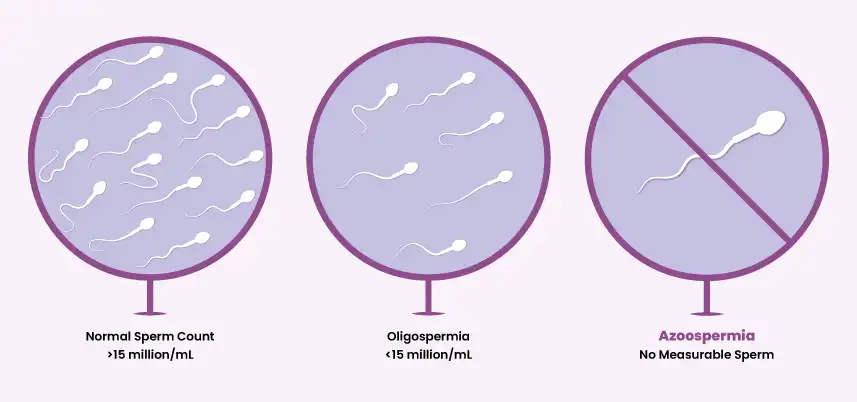
Low Sperm Count vs Normal Sperm Count
When it comes to male fertility, sperm count plays a very important role. A normal sperm count increases the chances of natural conception, while a low sperm count (also called oligospermia) can make it harder for a couple to get pregnant.
Also Read: Tips for Getting Pregnant with Low Sperm Count
Here is the major difference between Low sperm count vs Normal:
| Factor | Normal Sperm Count | Low Sperm Count (Oligospermia) |
|---|---|---|
| Sperm Concentration | 15 million sperm/ml or more (WHO standard) | Less than 15 million sperm/ml |
| Fertility Chances | Higher chance of natural conception | Reduced chance, may need medical assistance |
| Causes | Healthy lifestyle, balanced hormones, no blockages | Hormonal imbalance, lifestyle issues, varicocele, infections |
| Symptoms | Usually no visible symptoms | May notice difficulty conceiving, low sexual drive, or hormonal signs |
| Treatment Options | None needed if healthy | Lifestyle changes, medication, surgery, or assisted reproduction like IVF/IUI |
How to Identify Low Sperm Count?
Low sperm count often doesn’t show clear symptoms on its own. Many men only find out when they try to have a baby and face difficulty. Still, there are some common symptoms to recognise that you might have a low sperm count:
- Trouble Conceiving: Not being able to get your partner pregnant even after a year of regular, unprotected sex.
- Low Sex Drive (libido): Feeling less interest in sex than usual.
- Erectile Issues: Difficulty in getting or keeping an erection.
- Pain or Swelling in Testicles: Discomfort or heaviness in the testicles may signal an underlying issue.
- Hormone Changes: Signs like less facial or body hair, or reduced muscle mass, can be linked to a hormonal imbalance.
What Factors Affect Sperm Count?
Many things in daily life and health can affect a man’s sperm count. Some of the main factors include:
- Age
- Lifestyle Habits (smoking, alcohol, stress)
- Diet & Nutrition
- Heat Exposure
- Medical Conditions
- Environmental Toxins & Pollution
Age largely affects the sperm count. As men get older, sperm quality and count may slowly decrease. Fertility is usually best in the 20s and 30s.
Lifestyle impacts, such as smoking and drinking too much alcohol, can lower sperm production. Stress also affects hormones that control sperm health.
Eating unhealthy or lacking important nutrients like zinc, vitamin C, and antioxidants can reduce sperm count. A balanced diet supports healthy sperm.
Sperm need a cooler temperature to stay healthy. Regular use of laptops on the lap, saunas, or wearing tight underwear can heat the testicles and lower sperm count.
Health issues like varicocele (swollen veins in the testicles), infections, hormonal imbalance, or diabetes can negatively affect sperm production.
Exposure to chemicals, pesticides, heavy metals, or air pollution can damage sperm and reduce fertility. A recent study on the Impact of Air Pollution on Sperm Quality shows that long exposure to toxic materials in the air has significantly reduced sperm quality, especially sperm motility.
Also Read: Is it Possible For Man to Recover From Low Sperm Count?
How Does Age Impact Sperm Count?
As men grow older, their sperm count and quality often change. While men can keep producing sperm for life, the number of sperm and their health may reduce with age. Age can impact:
- After the age of 40 - 45 years, many men see a drop in sperm count.
- Sperm movement (motility) also becomes slower, making it harder for sperm to reach the egg.
- The shape and structure (morphology) of sperm may change, lowering the chances of successful fertilisation.
- With age, DNA damage in sperm is more common, which can affect pregnancy outcomes.
How is Sperm Count Tested?
The most common way to check sperm count is through a semen analysis test. In this test, a man provides a semen sample, usually by masturbating into a clean container at a clinic or lab. The sample is then examined under a microscope to check the number of sperm, their shape, pH, and motility.
This test gives doctors a clear picture of a man’s fertility health and helps in planning the right treatment if needed.
Also Read: Male Fertility Age Chart
WHO Normal Semen Parameters Chart
The World Health Organisation (WHO) has set clear reference values to help doctors check if a man’s semen quality is within the normal range. This is done through the process of a semen analysis test.
Here’s the WHO normal semen parameters chart (2021):| Parameter | Normal Range (WHO Standard) | Why It Matters |
|---|---|---|
| Semen Volume | More than 1.5 ml | Enough volume is needed to carry sperm into the female reproductive tract. |
| Sperm Concentration (Count) | More than 15 million sperm/ml | A healthy sperm count increases the chances of fertilising an egg. |
| Total Motility (Progressive + Non-progressive) | 4 - 81% | Moving sperm are crucial for reaching and fertilising the egg. |
| Progressive Motility | Must be more than 30% | Sperm must move forward actively to reach the egg. |
| Sperm Morphology (Normal Shape) | More than 4% normal forms | Properly shaped sperm are more likely to fertilise an egg successfully. |
| pH Level | More than 7.2 | A healthy environment helps sperm survive. |
Source: WHO Laboratory Manual for the Examination and Processing of Human Semen
How Does Sperm Count Affect Fertility?
Sperm count plays a big role in a man’s ability to father a child. When the sperm count is in the normal range, the chances of sperm reaching and fertilising the egg are much higher. But if the sperm count is low, it means there are fewer sperm available to make the journey.
Even though only one sperm is needed to fertilise an egg, having millions of healthy, moving sperm improves the chances of success. Low sperm count can make it harder and take longer for pregnancy to happen, and in some cases, couples may need medical help.
In short, a healthy sperm count increases the chances of natural conception, while a low sperm count reduces the chances but does not always make pregnancy impossible.
What are the Medical Treatments for Low Sperm Count?
When a man has a low sperm count, he must immediately consult a fertility expert to determine the treatment depending on his cause of the problem. Some common options include medicines, surgeries, or fertility treatments that help couples conceive.
- Medications
- Surgery
- Assisted Reproductive Techniques (ARTs)
- IUI (Intrauterine Insemination): Healthy sperm are collected, cleaned, and directly placed inside the woman’s uterus to increase the chances of pregnancy.
- IVF (In Vitro Fertilisation): Eggs and sperm are combined in a lab to form embryos, which are then placed in the woman’s uterus.
- ICSI (Intracytoplasmic Sperm Injection): For very low sperm count, a single healthy sperm is directly injected into an egg to create an embryo, then transferred to the uterus.
If you have a low sperm count due to a hormonal imbalance, doctors may give hormone medicines to bring levels back to normal. If the problem is due to an infection, antibiotics are prescribed to treat it. These medicines help improve sperm production and quality.
Sometimes, a physical problem can block sperm flow or affect sperm health. A common issue is varicocele (swollen veins in the scrotum), which can be treated with a surgery called varicocelectomy. In some cases, men who had a vasectomy (surgery for birth control) can choose vasectomy reversal to restore fertility.
If medicines or surgery don’t work, couples can still try advanced fertility methods:
8 Ways to Increase Sperm Count Naturally?
Not every man with low sperm count needs medical treatment. In many cases, small changes in daily life can help improve sperm health and increase fertility. Healthy habits can make a big difference because sperm production is strongly linked to overall lifestyle, diet, and environment.
Here are some natural ways to boost sperm count:
- Eat a healthy diet: Add fresh fruits, vegetables, whole grains, nuts, and foods rich in zinc and antioxidants. Avoid too much junk food and processed sugar.
- Exercise regularly: Light to moderate workouts improve blood flow, balance hormones, and help maintain a healthy weight, all of which are important for sperm health.
- Avoid smoking and alcohol: Both can damage sperm and lower count over time.
- Reduce stress: High stress can upset hormones and reduce sperm production. Practices like meditation, yoga, or simple relaxation can help.
- Maintain a healthy weight: Being overweight can lower testosterone levels and sperm quality. Losing even a little weight can improve fertility.
- Avoid overheating the testicles: Stay away from hot tubs, saunas, or keeping laptops on your lap for long hours. Wear loose cotton underwear.
- Get enough sleep: Poor or less sleep can disturb hormone levels and affect sperm count.
- Stay away from harmful chemicals: Limit exposure to pesticides, plastics (BPA), and air pollution as much as possible.
Also Read: How Long Does It Take For Sperm To Regenerate? A Complete Guide
Can Low Sperm Count Be Prevented?
In many cases, yes. Low sperm count can often be prevented or reduced by making healthy choices in daily life. Since sperm health depends on lifestyle, diet, and environment, simple changes can help protect fertility.
Habits like smoking, drinking too much alcohol, or using drugs can harm sperm quality. Quitting these can improve overall fertility. Also, regular health check-ups are important. Early treatment of conditions like diabetes, varicocele, or hormonal imbalance can help prevent sperm problems before they get worse.
When Should You See a Doctor for Low Sperm Count?
If you and your partner have been trying to have a baby for more than a year without success, it’s a good idea to see a doctor or fertility expert. Sometimes, low sperm count may be the reason behind the difficulty in conceiving.
You should also consult a doctor if you notice signs like low sex drive, trouble getting or keeping an erection, pain or swelling in your testicles, or changes in body hair and muscle mass (which can point to hormonal issues).
Seeing a doctor at the best IVF centre in Delhi at the right time can help you get the right treatment, improve your chances of having a baby, and also protect your overall health.
Take the Next Step in Checking Your Sperm Health with Crysta IVF
The expert at Crysta IVF says, “A normal sperm count doesn’t just mean numbers; it reflects overall reproductive health. If you are worried about low sperm count or struggling to conceive, our team offers advanced semen analysis, personalised treatments, and complete care to help you on your parenthood journey.”
Remember, early guidance from an expert can make all the difference.
Conclusion
Knowing about normal sperm count is important because it gives men a clear idea of their fertility health. Remember, sperm count is just one part of the picture; motility, shape, and overall lifestyle also play a big role.
If you’re facing challenges in conceiving, don’t panic. Many men improve their sperm health through lifestyle changes, medical treatments, or assisted reproductive techniques. The key is early testing and timely medical advice.
Taking care of your body today can help you secure a healthy future and increase your chances of becoming a parent.
Frequently Asked Questions on Normal Sperm Count
What is normal sperm concentration per millilitre?
According to the WHO, a normal sperm concentration is 15 million sperm per millilitre or more. Anything lower may affect the chances of pregnancy.
What is a normal total sperm count in an ejaculate?
A normal total sperm count is 39 million or more per ejaculation.
Is 70% sperm motility good?
Yes. Sperm motility means the movement of the sperm and WHO says at least 30% of sperm should be motile. So 70% motility is considered very good.
What is a normal sperm count to get pregnant?
Generally, a count above 15 million sperm/ml with good motility and shape is considered normal for natural conception.
At what sperm count is fertility considered low?
Fertility is considered low if sperm concentration is below 15 million/ml.
What motility percentage is considered normal?
WHO guidelines say 30% or more sperm should be moving for healthy fertility.
What percentage of sperm should have a normal shape?
At least 4% of sperm should have a normal shape (morphology). This may sound low, but even that is enough for natural conception.
How long do sperm tests take to show results?
A semen analysis usually gives results in 1–2 days. Some labs may provide reports the same day.
How often should multiple sperm samples be taken for a semen test?
Doctors usually recommend 2–3 semen samples taken over 2–3 weeks to confirm results, since sperm count can vary day to day.
Do lifestyle changes increase sperm count?
Yes. Quitting smoking, reducing alcohol, eating healthy, managing stress, exercising, and avoiding heat exposure can naturally boost sperm health over time.
Disclaimer
As per the "PCPNDT" (Regulation and Prevention of Misuse) Act, 1994, Gender Selection and Determination is strictly prohibited and is a criminal offense. Our centers strictly do not determine the sex of the fetus. The content is for informational and educational purposes only. Treatment of patients varies based on his/her medical condition. Always consult with your doctor for any treatment.
Have questions about your fertility?
Talk to our fertility specialists. Your first consultation is free.
Explore Crysta IVF
Treatments, centres and costs, all in one place.
