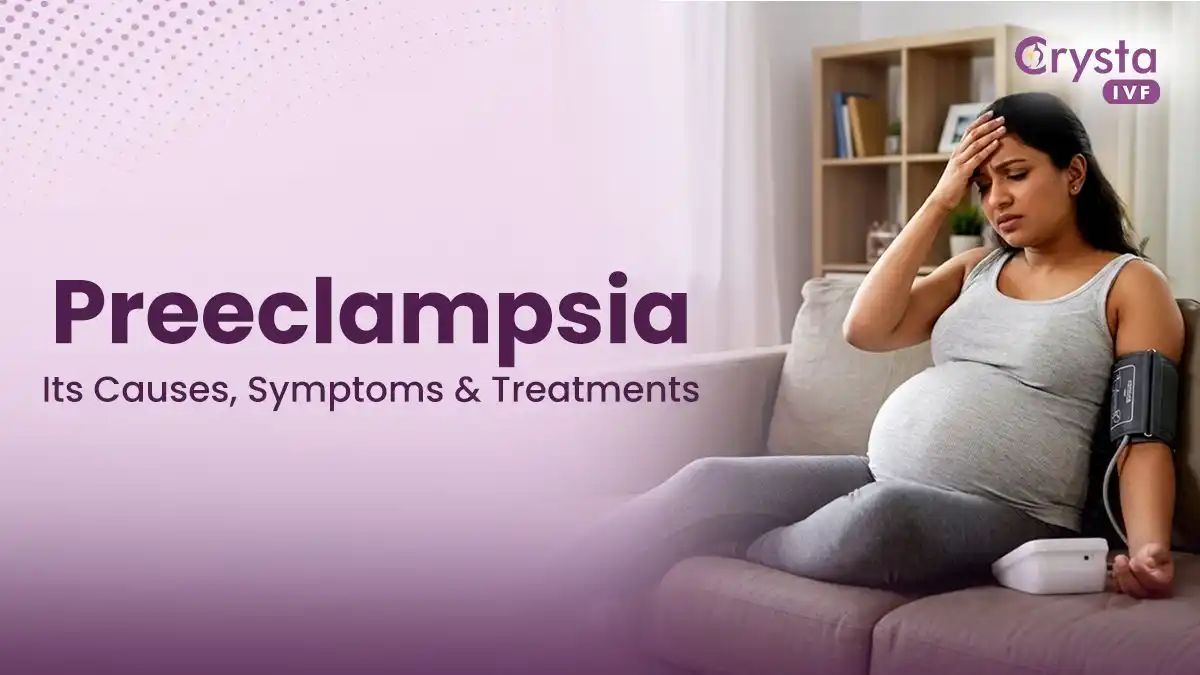
Pregnancy is the time of excitement, dreams and hope for the future. But for some of you, it might bring unexpected worries. Preeclampsia is one such pregnancy-related condition that can affect both the mother and the baby. It usually develops after the 20th week of pregnancy and is mainly linked to high blood pressure.
What makes preeclampsia more problematic is that it may start quietly, without obvious symptoms, which is why regular check-ups become so important. To have a successful pregnancy, it is important to understand preeclampsia, its symptoms, causes and treatment methods available.
What is Preeclampsia Meaning?
Preeclampsia is a condition that can develop during pregnancy after the 20th week. In simple terms, it happens when your blood pressure becomes high and your body starts showing signs that some of your organs, like the kidneys or liver, are under stress.
What makes preeclampsia worrying is that you may not feel unwell at all in the beginning. Many women feel fine, continue with daily life, and still have this condition growing inside them. That is why regular pregnancy check-ups matter so much. A simple blood pressure check can catch early changes before they turn serious.
However, you must know that preeclampsia is not your fault. It does not happen because of something you ate, didn’t eat, or did wrong. It develops due to changes in how blood flows between your body and the placenta during pregnancy.
Is Preeclampsia Common in Pregnancy?
Many expecting mothers think whether preeclampsia is something rare or if it can happen to anyone. The truth is, preeclampsia is not very common in women but it can happen to anyone. This is why blood pressure checks and urine tests are a routine part of every clinic visit during pregnancy.
Certain studies done on Global Prevalence of Preeclampsia show that globally, about 4 to 5 out of every 100 pregnant women develop preeclampsia during their pregnancy. This means roughly 4 to 5% of all pregnancies are affected by it overall.
Many cases get detected early because of regular check-ups, even before symptoms appear. This early detection makes a big difference. When doctors identify preeclampsia on time, they can closely monitor you, guide you on rest and care, and decide the safest plan for you and your baby.
What Causes Preeclampsia During Pregnancy?
Preeclampsia does not have one single cause, and that can make it confusing for you as an expecting mother. However, there are certain causes that can result in preeclampsia during pregnancy.
Problems with placental development:
When the placenta does not attach or grow properly in the uterus, blood flow between your body and the baby can be stopped, which can lead to high blood pressure.
Poor blood flow to the placenta:
If enough blood does not reach the placenta, your blood vessels may tighten, causing your blood pressure to rise.
Changes in blood vessels during pregnancy:
Pregnancy affects how your blood vessels widen and narrow. When they don’t relax as they should normally, the blood pressure in your body can increase.
Hormonal changes:
Hormones released during pregnancy can affect blood pressure control and organ function in some women.
Immune system response:
In some of the pregnancy cases, your immune system may react differently to fetuses, which can affect your whole body as well as disturb normal blood flow.
Pre-existing health conditions:
Conditions like high blood pressure, diabetes, thyroid issues, or PCOS before pregnancy can increase the risk.
Who is at Higher Risk of Developing Preeclampsia?
Preeclampsia can happen to any pregnant woman, but some women have a higher risk than others. Knowing these risk factors can help you stay more alert and ensure you and your baby are healthy. You might get preeclampsia if:
- It’s your first pregnancy (your risk may be slightly higher)
- You are below 20 or above 35 years of age
- You had high blood pressure before pregnancy
- Women who had diabetes, thyroid issues, or PCOS earlier
- You had preeclampsia in earlier pregnancies
- Your mother or anyone in your family had preeclampsia
- Your pregnancy happened through IVF or fertility treatment
- Women who have obesity or excessive weight gain
Can IVF or Fertility Treatment Increase Preeclampsia Risk?
Yes, research suggests that pregnancies done through IVF or fertility treatment may have a slightly higher risk of preeclampsia compared to natural pregnancies. This does not mean that IVF causes preeclampsia, but certain factors linked to fertility treatment can increase the chances.
One important reason is that many women who are undergoing IVF already have underlying health conditions such as PCOS, hormonal imbalance, thyroid issues, or a history of infertility. These conditions can affect blood pressure and blood flow during pregnancy.
Crysta IVF Expert View: What You Should Know for IVF Pregnancy
I often meet women who feel anxious after conceiving through IVF, especially when they hear about conditions like preeclampsia. I want you to know that an IVF pregnancy is not unsafe. But, yes, the risk of preeclampsia can be slightly higher in some cases.
What truly protects you is early and regular monitoring. We track your blood pressure, weight, and the growth of the baby very closely from the beginning of your pregnancy. This helps us spot even small changes.
Please remember, you did not take the ‘hard route’ to pregnancy only to live in fear. The doctors are there if anything happens. Women who have already conceived through IVF have healthy pregnancies and safe deliveries.
Crysta IVF, Lucknow
What are Preeclampsia Symptoms in Women?
Preeclampsia often starts quietly, which is why many women do not realise something is wrong. You may feel completely normal, especially in the beginning. However, if you have preeclampsia, you might notice certain signs and symptoms. Here are the symptoms:
- High blood pressure
- Sudden swelling in the face, hands, or around the eyes.
- Severe or continuous headaches
- Blurred vision, light sensitivity, or seeing spots.
- Pain in the upper abdomen
- Sudden weight gain
- Nausea or vomiting
- Shortness of breath
If you have a severe headache, high blood pressure, blurred vision or chest pain, you must immediately connect with Crysta IVF. Here, the gynaecologists closely monitor high-risk pregnancies and guide you at every step.
How is Preeclampsia Diagnosed During Pregnancy?
Preeclampsia is usually diagnosed during routine pregnancy check-ups, which is why these visits are so important for you. In many cases, you may not feel unwell, but simple tests can show early warning signs.
- Regular blood pressure checks during antenatal visits to detect high readings.
- Urine test to check for protein, which signals kidney stress.
- Blood tests to assess liver function, kidney health, and platelet levels.
- Ultrasound scans to monitor the baby’s growth and the placenta’s function.
How is Preeclampsia Treated or Managed?
The management of preeclampsia depends on how severe your condition is and how far along you are in your pregnancy. The main goal is to protect you while allowing your baby to grow safely for as long as possible. Here is how it is treated:
- Blood pressure medicines: After diagnosis, you may be given medicines to keep your blood pressure within a safe range and reduce stress on your organs.
- Lifestyle and rest advice: The gynaecologists may also advise resting more, avoiding physical strain, reducing stress, and following a healthy, balanced diet.
- Hospital care (if needed): In moderate to severe cases, some women might be admitted to the hospital, which allows doctors to monitor them and their baby around the clock.
Is Preeclampsia Dangerous for Mother and Baby?
Preeclampsia can become serious if it is not detected and managed on time. It can affect you and your baby both. Here are the risks it may cause:
Risks for the Mother due to Preeclampsia
- Organ damage
- Severe headaches and vision problems
- Fluid in the lungs
- Shortness of breath
- Seizures (due to eclampsia)
- Higher risk of stroke or heavy bleeding
Risks for the Baby due to Preeclampsia
- Reduced blood flow to the placenta
- Poor growth in the womb
- Preterm birth
- Low birth weight
- Need for special care after birth
What is Eclampsia?
Eclampsia is a serious complication of preeclampsia that can occur during pregnancy, labour, or even after delivery. It happens when preeclampsia becomes very severe and leads to seizures or fits that cannot be explained by any other medical condition.
Eclampsia does not usually appear without warning. In most cases, women already have signs of preeclampsia, such as high blood pressure, severe headaches, vision problems, or swelling. When these signs are ignored or treatment is delayed, the condition can worsen and lead to seizures.
What is the Difference Between Preeclampsia and Eclampsia?
Preeclampsia and eclampsia are closely related conditions, but they are not the same. Understanding the difference can help you recognise why early diagnosis and treatment matter so much during pregnancy.
| Basis of Comparison | Preeclampsia | Eclampsia |
|---|---|---|
| Meaning | Preeclampsia is a pregnancy-related condition marked by high blood pressure and organ stress. | Eclampsia is a severe complication of preeclampsia that causes seizures. |
| When does it occur? | Preeclampsia usually happens after the 20th week of pregnancy. | Eclampsia happens during pregnancy, labour, or even after delivery. |
| Main symptoms | Symptoms include high blood pressure, protein in urine, swelling, headache, and vision issues. | Symptoms include seizures or fits, along with symptoms of preeclampsia. |
| Severity | Preeclampsia is serious but manageable with timely care. | Eclampsia is a medical emergency that needs immediate treatment. |
| Risk to the mother | Risks include organ damage if untreated. | Risk of brain injury, stroke, or even life-threatening problems. |
Can Preeclampsia Be Prevented?
Yes, preeclampsia can be prevented, but it may still develop even after you have taken full precautions. Preeclampsia is genetically related as well, which makes it difficult to prevent it completely.
However, the good news is that its risks and complications can often be reduced with the right care and awareness by:
-
Regular prenatal check-ups help detect early signs before it becomes serious.
-
Early monitoring of blood pressure and urine plays a key role in risk reduction.
-
Managing existing health conditions like BP, diabetes, thyroid issues, or PCOS helps lower complications.
-
A balanced preeclampsia diet and proper rest support overall pregnancy health.
-
Following medical advice strictly helps prevent worsening of the condition.
What is Postpartum Preeclampsia?
Postpartum preeclampsia is a condition where high blood pressure and related symptoms develop after childbirth, usually within 1-2 days, but sometimes even up to six weeks after delivery.
Many women feel that once the baby is born, pregnancy-related risks are over. But in some cases, preeclampsia can appear after delivery, even if your blood pressure was normal during pregnancy.
Warning sign of Postpartum Preeclampsia: This condition affects the mother, not the baby, and often shows signs like severe headaches, blurred vision, swelling, nausea, or difficulty breathing.
Final Thoughts
Preeclampsia can sound scary, but knowing about it puts you in a stronger position. This condition often develops quietly, which is why awareness and regular check-ups matter more than fear. Whether it appears during pregnancy or after delivery, preeclampsia is not something you cause, and it is not something you should ignore.
If you have risk factors, a history of infertility, IVF pregnancy, or have experienced preeclampsia before, your pregnancies need extra care and closer monitoring. This is where you can connect to Crysta IVF experienced medical team to get a personalised and accurate solution.
Remember to listen to your body and trust medical guidelines!
What happens when you have preeclampsia?
What is the main cause of preeclampsia?
How do you prevent preeclampsia?
1) Attending regular pre-natal visits
2) Monitoring blood pressure
3) Managing diabetes or thyroid issues
4) Eating a balanced, low-salt diet
5) Staying physically active (as advised by your doctor)
What is the definition of preeclampsia?
What are the first signs of preeclampsia?
What organ is most affected by preeclampsia?
Who is most at risk for preeclampsia?
What is the treatment for preeclampsia?
However, treatment depends on severity and pregnancy stage. Some doctors suggest taking medicines to cure the problem.