

Quick Takeaways
Light period flow is usually considered when your period flow is less than 30-40ml, or if you are using 1 thin pad/pantyliner per day; whereas a normal period flow is generally 30-80ml and comes as per your usual pattern.
Light period causes may include hormonal imbalance, stress, health issues like PCOS or thyroid, taking birth control, or low body weight.
See a gynaecologist if you get a sudden, very light period accompanied by pain or odour, spotting instead of a period for more than 3 months, or if you are above 40 years old.
A light period, also called hypomenorrhea, means your menstrual bleeding is lighter, shorter, or less frequent than your normal cycle. If you ever find just a whisper of pink on your sanitary pad, but were expecting more, that’s a sign of a light period.
Also yes! Light period flow can be due to many reasons and is more common than you might think. A lot of women notice changes like spotting instead of period, or a low-flow period, and immediately start wondering, “Why is my period so light this month, no cramps?”
In some cases, a low flow period is completely normal, while other times, your body might be trying to tell you something – but how do you know? Don’t worry; this guide on light bleeding during period will help you figure out the causes and how to fix light periods.
Table of Contents
- What is the Light Period Meaning?
- What is the Difference between Normal and Light Period Flow?
- Spotting vs Light Period Flow
- What are the Common Light Period Causes?
- What are the Symptoms of Light Periods?
- When Should You See a Doctor?
- How to Fix Light Periods Naturally?
- How to Fix Light Periods Medically?
- Can Stress Really Cause Light Periods? (Real-Life Insight)
- Final Takeaway
- FAQs on Light Periods
What is the Light Period Meaning?
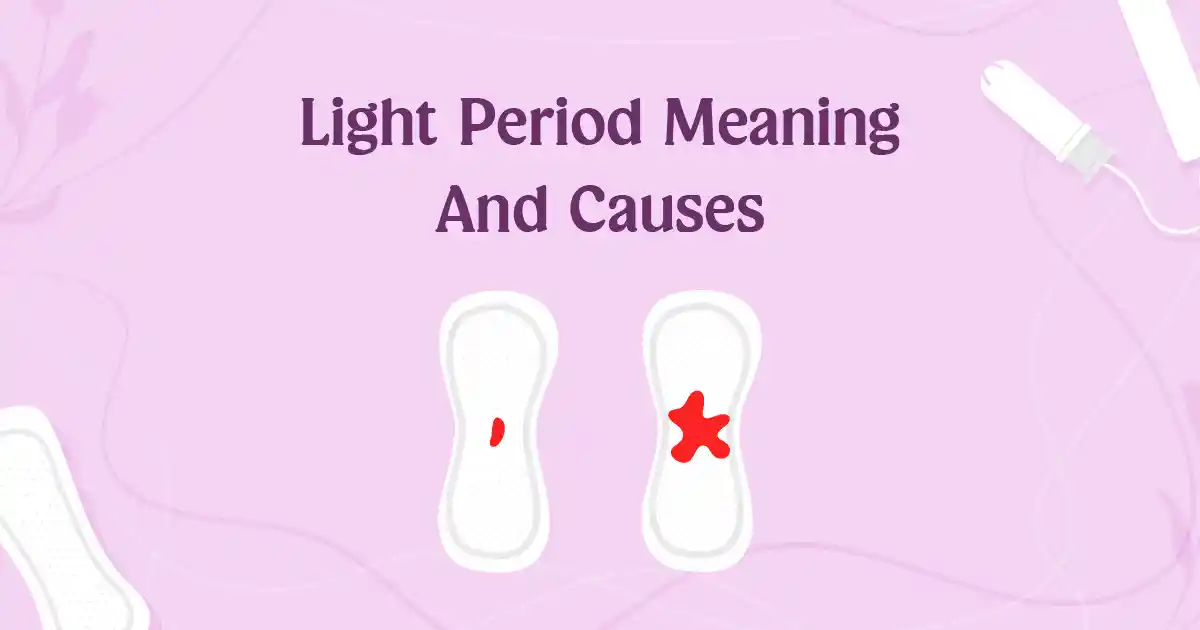
A light period means scant bleeding during your menstrual cycle that’s noticeably less than your usual flow. Also, medically known as hypomenorrhea, very light periods are accompanied by thinner blood volume, shorter duration, or spotting-like discharge instead of proper shedding.
Normally, your period may last between 3 and 7 days and has a steady flow that may vary each day; however, in a light menstrual flow, there is no “perfect” amount of bleeding that applies to everyone.
So, if you describe your period as, “I only needed 1–2 pads the whole day”, or “It felt more like spotting instead of period”, or “My period came, but it was very light and gone quickly”, you might have hypomenorrhea.
Generally, a light period flow might look like:
Light bleeding during period days that lasts fewer days than usual
Using fewer pads or tampons than you normally would
Light spotting instead of a steady flow
Brown or pink discharge instead of red bleeding
Remember that a one-time light period is usually not a problem, but repeated cycle changes might require medical attention.
What is the Difference between Normal and Light Period Flow?
A normal period flow varies from woman to woman, but if your bleeding suddenly becomes much lighter, shorter, or feels like just spotting, it may signal that you have a light period flow or hypomenorrhea.
Here’s an easy way to understand the difference:
Normal vs Light Period Flow
| Factor | Normal Period Flow | Light Period Flow |
|---|---|---|
| Duration | Usually lasts 3–7 days | May last only 1–2 days or even just spotting |
| Bleeding Amount | Steady flow (you need to change pads/tampons regularly) | Very minimal bleeding, sometimes just stains or spotting |
| Pad/Tampon Use | 3–5 changes per day (varies per person) | 1–2 light changes or barely needed |
| Flow Pattern | Starts light, then heavier, and then gradually finishes | Mostly light throughout, no heavy days |
| Color | Bright to dark red | Often pink, brown, or very light red |
| Cramps & Symptoms | Mild to moderate cramps are common | May have no cramps or very mild discomfort |
| Consistency | Regular cycle | Can be irregular or unexpected |
| Type of Bleeding | Proper menstrual flow | Could feel like spotting instead of period |
Remember, your ‘normal’ flow in a period is based on your past cycles, not someone else’s. So, if you’ve always had a light menstrual flow, it may be completely normal for you.
However, if your flow suddenly becomes lighter, look into what is the reason for less bleeding during periods or consult a gynaecologist. You can also read more about reasons for irregular periods to understand related patterns.
Spotting vs Light Flow During Periods
If you’re unsure whether it is spotting instead of period or just light period flow, we’ve prepared a table of quick differences for you. Spotting is one drop or two, while the light period is a low-flow:
| Feature | Spotting Instead of Period | Light Period Flow |
|---|---|---|
| Colour/Texture | Brown, pink, or rust (old blood), watery drops | Bright red or dark red, thicker consistency |
| Amount | A few drops or a pantyliner is barely touched | Steady very light flow (usually 1 pad/day for 2-3 days) |
| Duration | Lasts a few hours to 3 days, and is on/off | Consistent for 2-4 days |
| Timing | Mid-cycle (ovulation), right before period, post-sex | Expected period dates |
| Common Causes | Implantation (early pregnancy), hormonal imbalance, infection/STI, IUD, ovulation bleed | PCOS light periods, stress-causing light periods, low flow period, light periods after birth control, and other lifestyle factors |
| When to Worry | If spotting persists for more than 7 days or is accompanied by fever/pain, green discharge | If your period flow suddenly changes or light bleeding during period for over 3 months |
To quickly recognise if it is spotting instead of period, notice whether you change pads every few hours or wipe blood off once a day. If sexually active, you could get tested for pregnancy, as implantation hits 10-14 days post-ovulation and causes spotting. To understand your fertile window better, read about how many days after your period ovulation occurs.
What are the Common Light Period Causes?
If you are wondering, “Why is my period so light this month?” or if you’re noticing a light period flow or even spotting instead of a period, it is usually a signal of something being wrong with your body.
Here are the most common light period causes for all women thinking, “Why is my period so light?”:
Stress Causing Light Periods
Do you know your mental health directly affects your cycle? When you’re stressed, your body produces cortisol, which interferes with ovulation, leading to hypomenorrhea.
So, if you’re having a tense month at work, expect light bleeding during period, paired with fatigue or insomnia
Hormonal Imbalance/Perimenopause
Your period depends on various hormones, which, if they go slightly off balance, may cause less than normal light period flow. This is one of the main reasons for a low flow period or a very light period.
Also, low estrogen due to age or perimenopause in the 40s thins the uterus lining, leading to a very light period.
Light Periods After Birth Control Medication
Hormonal pills, injections, implants, or IUDs can thin the uterine lining, which means light bleeding for the next 3-6 months after stopping the medication. You may also experience shorter or lighter cycles.
Sudden Weight Loss or Intense Exercise
Your body needs enough energy to maintain a healthy cycle, so if you’re on a crash diet, lose weight quickly, or do intense workouts, you’ll see a low flow period or your periods may stop altogether.
PCOS (Polycystic Ovary Syndrome)
In PCOS light periods, ovulation may not happen regularly, again causing light period flow or irregular cycles. If you also notice acne, belly weight, or extra facial hair along with a light flow, get it checked early for PCOS. You may also want to read about whether irregular or delayed periods are a sign of infertility.
Thyroid Disorders
Health issues like thyroid are the growing light period causes. Your thyroid gland plays a key role in hormone control, so when it’s not working properly, you may notice light bleeding during period, irregular cycles, fatigue, hair loss or weight fluctuations.
Pregnancy or Implantation Bleeding
If you’re thinking, “Why is my period so light this month no cramps?”, there might be a possibility of early pregnancy spotting (if you’re sexually active). Often, women confuse this with a very light period.
It is an early pregnancy spotting instead of period if you notice lighter than normal periods with shorter duration and pink or brown-coloured blood.
Lifestyle Changes
Sometimes, your everyday routine is one of the biggest light period causes, hiding in plain sight. Your body is highly sensitive to small changes; even subtle shifts in your day-to-day life can affect your hormones in the long term, directly impacting your periods.
Poor sleep patterns, frequent travel or change in meal timings, not getting enough nutrients, indulging in excess caffeine or processed food, or lack of physical activity (or too much of it) – all these disrupt hormonal balance over time, causing a low flow period.
What are the Symptoms of Light Periods?
A light period flow doesn’t always look the same for everyone, but your body gives some clear signs when you’re experiencing hypomenorrhea. Here are some common light period flow symptoms to notice:
Shorter period duration than usual: Your period may last only 1–2 days instead of your normal 4–5 days. Sometimes it stops just when it feels like it started.
Very little bleeding: You may not need to change pads or tampons frequently. During a low-flow period, you may use only one pad all day.
Spotting instead of period: Instead of light bleeding during period, you might see very light stains or small spots.
Change in blood colour: Your period blood may appear light pink, brown, or very light red.
No cramps or very mild discomfort: If you’re thinking, “Why is my period so light this month, no cramps?”, it’s often a sign of hypomenorrhea.
Flow feels inconsistent: Instead of a steady cycle, your light menstrual flow may start and stop, or remain light throughout the cycle.
When Should You See a Doctor for Light Periods?
If you get light period flow once, it is usually fine; however, frequent low-flow periods or repeated changes require medical attention. Book an appointment with your gynaecologist if you notice:
Sudden very light period after heavy cycles, or if your light periods are accompanied by severe cramps or fever.
You frequently experience spotting instead of periods. If this is accompanied by delayed cycles, read more about delayed periods and what they mean.
Light periods continue for more than 3 months.
Your light periods after birth control don’t go back to normal.
You have other symptoms along with low blood flow, like fatigue, hair fall, sudden weight gain or loss, acne (possible PCOS light periods)
Why Getting Early Expert Medical Consultation is Important?
Most of the time, light period causes are simple, such as stress, lifestyle changes, or temporary hormonal shifts. However, other times it could also be due to long-term hormonal imbalance, thyroid disorder, or PCOS, which could eventually lead to fertility and other chronic health issues.
So, early guidance from an expert can help you:
Understand the exact light period meaning in your case
Identify whether your light bleeding during period is normal or not
Prevent future complications related to hormones or fertility
Get simple solutions before the issue becomes long-term
Expert gynaecologists at clinics like Crysta IVF can help you understand whether your light menstrual flow is a simple hormonal shift or something that needs attention, especially if you’re planning pregnancy or want to keep your cycle healthy long-term.
How to Fix Light Periods Naturally?
If you’re dealing with light periods, the solution is right there – helping the body get back into balance. The key is to understand the light period causes first, rather than trying to fix the symptom.
Let’s first understand how to fix light periods naturally:
Eat for Hormonal Balance
Flaxseeds, sesame, avocados, soy, and omega-3s are estrogen boosters that help regulate your periods. Further, you can add pineapple or papaya and iron-rich foods (spinach, beetroot, jaggery) days before your expected period,
Maintain a Healthy Weight
Both weight loss and weight gain can affect your cycle, so aim for 20-25% with nuts and protein, as steady calories can restart your normal period flow. Add healthy fats (nuts, seeds, ghee in moderation), and protein (eggs, dals, paneer) to your diet as well.
Manage Stress
If stress-causing light periods are your trigger, nothing will change until stress is managed. Doing 10-min yoga, walking, deep breathing or meditation, or taking breaks during the day can significantly reduce your stress levels.
Improve Your Routine
Hormones crave routine; small changes can make a big difference in your light menstrual flow. Start sleeping 7–8 hours regularly, reduce screen time before bed, and try to keep a consistent daily routine for at least a month – you will notice visible healthy changes in your periods.
Track Your Cycle
Observe your menstrual flow and record its patterns in an app, rather than simply guessing. Track your heavy or low flow, spotting, period duration, cycle length, and any symptoms, such as cramps, fatigue, or mood changes. This will help you understand what is the reason for less bleeding during periods.
How to Fix Light Periods Medically?
If lifestyle changes don’t improve your light period flow, it might be a sign to look deeper and seek medical help for fixing light periods. Here’s what gynaecologists might suggest:
| Cause | Fix | How It Helps |
|---|---|---|
| PCOS light periods | Hormonal balance treatment, ovulation support if needed, lifestyle changes | Balances insulin/androgens for better ovulation, fixing light period issues |
| Hormonal imbalance | Pills to balance hormones like estrogen and progesterone | Thickens the uterus lining, restoring normal light period flow |
| Light periods after birth control | Hormone therapy if your cycle doesn’t normalise within a few months | Resets suppressed cycle within 3-6 months |
| Thyroid issues | A simple blood test can confirm it. Treatment usually includes thyroid medication and regular monitoring | Normalises metabolism and helps balance hormones |
Now, in addition to these medical fixes, your gynaecologist might suggest some common diagnostic tests if your light period flow continues for a few cycles, to understand the root cause.
Diagnosis and Tests for Light Periods
Getting tests done for light menstrual flow helps focus on identifying the exact cause instead of guessing. Here are some common ones:
Hormone tests: To check estrogen, progesterone, and other hormone levels that affect your cycle.
Thyroid function test: Since thyroid imbalance is a common reason for light bleeding during the period.
Ultrasound scan: Helps detect conditions, such as PCOS light periods, or uterine issues.
Pregnancy test: If you’re experiencing spotting instead of periods, it’s better to get a pregnancy test done to rule out the cause if you’re sexually active.
Crysta IVF Expert Advice on How to Fix Light Periods
As a doctor, I would say that light periods (or hypomenorrhea) are quite common and not always a cause for concern. In many cases, a light period flow happens due to stress, lifestyle changes, or temporary hormonal shifts, and it can return to normal on its own.
We usually consider a very light period or low flow period as a sign to observe rather than panic, especially if it happens once in a while. It often improves with better sleep, balanced nutrition, and stress management.
However, if you regularly experience spotting instead of a period, repeated light bleeding during your period, or keep wondering “why is my period so light this month”, it’s important to look deeper.
Women with conditions like PCOS, light periods, thyroid imbalance, or those planning pregnancy should not ignore these changes. In such cases, proper evaluation helps determine whether the light menstrual flow is due to a hormonal issue or something that needs treatment.
Can Stress Really Cause Light Periods? (Real-Life Insight)
Absolutely yes! Stress-causing light periods are a real issue that many women face.
Let’s say you’re juggling a new job with your wedding planning, or if your exam season is here, or maybe you’re having some relationship issues – all this is making you overwhelmed.
You might notice that your menstrual flow has reduced significantly to pink spots on a pantyliner, with no cramps. Thus, light periods are the first sign that your body is bearing the brunt of all that stress.
This happens because cortisol from sleepless nights blocks estrogen, so the uterine lining stays thin and barely sheds, causing low flow. However, if you get back on track two months later, with weekend yoga and naps, your normal light flow might return.
However, if light period flow persists for more than 3 months, get a deeper check with your gynaecologist. If you are also experiencing pain during your cycles, our guide on managing painful periods — causes, diagnosis and treatment may help.
Final Takeaway
A light period is not always a problem, but it’s also not something you should ignore again and again.
Your body naturally goes through small changes, so a light period flow can happen once in a while due to stress, lifestyle shifts, or temporary hormonal changes. But if you keep noticing a very light period, low flow period, or even spotting instead of period for 3-4 months, it’s your body asking you to pay attention.
The smartest thing you can do is stay aware by tracking your cycle. Observe any changes in your health or routine – sleep, stress, diet, or any recent changes, and if you still find yourself wondering “why is my period so light this month”, more often than not, it’s a sign to speak to a doctor. Gynaecologists at Crysta IVF can give you the clarity you need.
FAQs about Light Periods
What is a light period?
A light period, meaning hypomenorrhea, is a condition in which your menstrual bleeding is lighter, shorter, or less frequent than usual. You may notice fewer pad changes, shorter duration, or even spotting instead of a proper flow.
Is a light period normal?
Yes, a light period flow can be normal occasionally due to stress, lifestyle changes, or hormonal shifts. However, if it keeps happening every cycle, it’s better to understand the cause with a Gynecologist.
Can stress cause light periods?
Yes, stress-causing light periods are very common. Stress affects your hormones and ovulation, which can lead to a low flow period, delayed cycle, or even spotting instead of period.
Are light periods a sign of pregnancy?
Generally, no. However, sometimes, a very light period may actually be implantation bleeding in early pregnancy. If your flow is lighter than usual and shorter, especially without cramps, it’s best to take a pregnancy test to be sure.
When to see a doctor for light periods?
You should see a gynaecologist if your light menstrual flow continues for 2–3 cycles, becomes irregular, or is combined with symptoms like fatigue, weight changes, or frequent spotting instead of a period.
What are some common home remedies for light periods?
Improving sleep, reducing stress, and eating a balanced diet can help regulate your light period flow. Focus on iron-rich foods, healthy fats, and regular routines. If the issue continues, medical guidance may be needed.
What are the light period causes if I’m not pregnant?
If not pregnant, light period causes may include stress, hormonal imbalance, PCOS, thyroid issues, or lifestyle changes. Even sudden weight loss or birth control can lead to light bleeding during the period.
My period is super light this month. Why?
A very light period for one month can happen due to stress, travel, sleep changes, or hormonal fluctuations. If it’s a one-time change, it’s usually normal. Repeated changes should be checked.
Is light spotting after stopping birth control normal?
Yes, light periods after birth control or spotting are common. Your body takes time to adjust to hormonal changes, which can lead to a low flow period or irregular cycles for a few months.
Does a little blood count as a period?
A small amount of bleeding can count as a light period flow if it happens during your cycle. However, if it feels like just a few spots, it may be spotting instead of period.