Seed Cycling: Meaning, Benefits, How It Works & Complete Guide for Hormone Balance
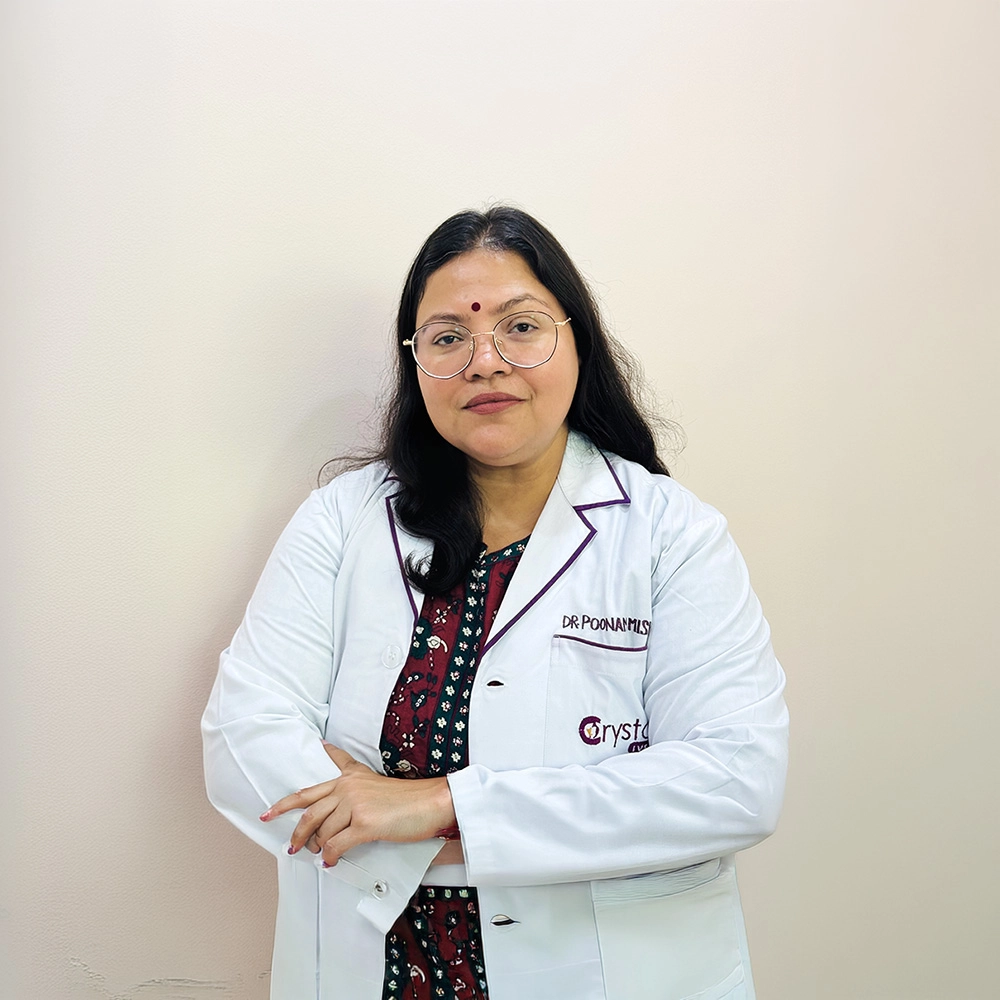
Dr. Poonam Mishra is a clinical lead and senior IVF specialist at Crysta IVF Fertility Centre in Lucknow with an extensive 19+ years of experience in the field of infertility and reproductive medicine. She completed her MBBS with a Gold Medal from the prestigious Mahatma Gandhi Institute of Medical Sciences, Sevagram, Wardha in 2007. She pursued her post-graduation in Gynecology and Obstetrics at the renowned Lady Hardinge Medical College, New Delhi in 2014. Her dedication and hard work made her the topper of the National Board of Examination (NBE) for selection into fellowship. To further enhance her expertise in reproductive medicine, Dr. Poonam pursued a two-year fellowship in reproductive medicine from the prestigious Sir Ganga Ram Hospital, New Delhi. Her commitment and exceptional skills were recognized when she was honored with the super speciality fellow award at Sir Ganga Ram Hospital. With her specialized training in reproductive medicine. She has assisted/conducted 1000+ in-vitro fertilization (IVF), intrauterine insemination (IUI), hysteroscopy , and laparoscopy , accumulating a wealth of practical experience. She has a special interest in managing male infertility , recurrent IVF failure, poor ovarian reserve, and fertility preservation in oncology patients. In addition to her clinical accomplishments, Dr. Poonam has received several awards and recognition throughout her career. She also earned a Gold medal in the Quiz competition at Fertivision 2016, The 12th National Annual Conference of the Indian Fertility Society, Lucknow. Her contributions to the field have been widely recognized, and she has presented her research and findings at esteemed conferences such as the 22nd IFFS World Congress and Fertivision. Dr. Poonam Mishra is a respected member of several professional organizations, including the Indian Fertility Society (IFS), Indian Society for Assisted Reproduction (ISAR), and the Fertility Preservation Society of India. Currently, Dr. Poonam Mishra is offering her expertise as an IVF specialist at Crysta IVF fertility centre in Lucknow. Book a consultation with her today and take the first step towards achieving your dream of parenthood under the care of a skilled and compassionate professional.
Read more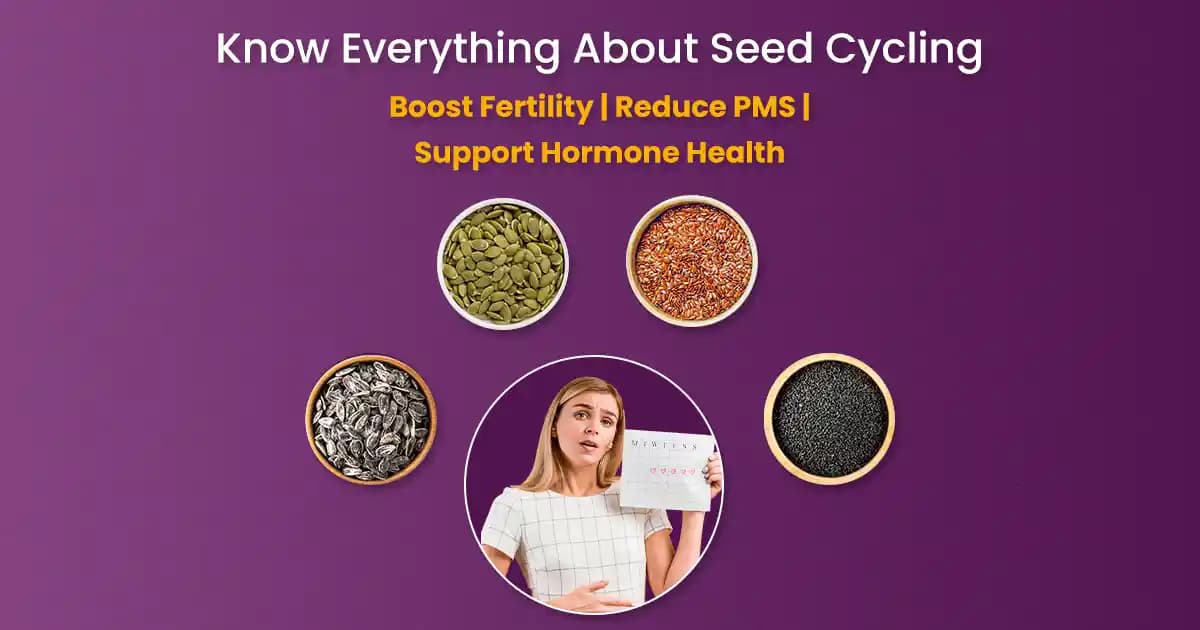
Irregular periods, painful cramps, mood swings, acne, PCOS symptoms, and difficulty in ovulation are often signs that hormones are not working in balance. In addition, your daily stress, poor diet, lack of sleep, and lifestyle changes can make these issues worse over time. This is where seed cycling comes in!!
In this article
- 1What is Seed Cycling?
- 2How Does Seed Cycling Work?
- 3Who Should Try and Not Try Seed Cycling?
- 4How Seed Cycling Helps in the Two Phases of the Menstrual Cycle?
- 4.11. Follicular Phase (Day 1 of Period to Ovulation)
- 4.22. Luteal Phase (After Ovulation to Next Period)
- 5Detailed Seed Cycling Schedule for Beginners
- 5.1How to Follow the Seed Cycling Chart Easily?
- 5.2Crysta IVF Expert Advice on Who Must Follow Seed Cycling?
- 6How to Take Seeds During Seed Cycling?
- 7How to Do Seed Cycling in Irregular Periods
- 8How to Do Seed Cycling for PCOS?
- 9How to Do Seed Cycling for Fertility?
- 10What are the Benefits of Seed Cycling?
- 10.1Supports Hormone Balance:
- 10.2Improves Menstrual Health:
- 10.3Supports Fertility and Ovulation:
- 10.4Reduces Hormonal Acne and Skin Issues:
- 10.5Promotes Overall Wellbeing
- 11Is Seed Cycling Scientifically Proven?
- 125 Common Mistakes to Avoid While Doing Seed Cycling
- 13Conclusion
Seed Cycling is a simple, natural approach to support hormonal health. It focuses on eating specific seeds during different phases of the menstrual cycle to help the body manage estrogen and progesterone levels better.
It uses easily available seeds like flax, pumpkin, sesame, and sunflower, making it an easy habit to follow alongside a healthy lifestyle and medical care. Read this blog to understand how these seeds help in maintaining your body's hormones.
What is Seed Cycling?
Seed cycling is a natural nutrition-based practice that supports hormone balance by eating specific seeds during different phases of the menstrual cycle. The idea is simple: certain seeds provide nutrients which help the body balance estrogen in the first half of the cycle and support progesterone in the second half.
Seed cycling usually includes four seeds:
- Flax seeds and pumpkin seeds during the follicular phase,
- Sesame seeds and sunflower seeds during the luteal phase.
Many women follow seed cycling to manage irregular periods, PMS symptoms, PCOS, or to support ovulation and overall reproductive health. It is easy to follow, uses everyday foods, and is often used as a supportive lifestyle habit.
How Does Seed Cycling Work?
Seed cycling works by managing nutrition with the natural phases of the menstrual cycle. It focuses on supporting estrogen in the first half of the cycle and progesterone in the second half through specific seeds and their nutrients.
Here’s how it works step by step:
- At the start of the menstrual cycle, the body focuses on restarting the cycle and preparing for ovulation. Estrogen levels slowly rise during this phase.
- Seed cycling supports this process by including flax and pumpkin seeds in daily meals. These seeds support the body’s natural hormone activity and help it handle estrogen in a balanced way, rather than letting it build up or drop suddenly.
- After ovulation, the body shifts its focus to maintaining hormonal stability. Progesterone becomes the key hormone during this phase.
- Sesame and sunflower seeds are used in seed cycling to support this shift. They provide nourishment that helps the body maintain steady hormone levels and support the uterine lining.
Who Should Try and Not Try Seed Cycling?
Seed cycling is a natural and gentle way to support hormone balance, but it is not suitable for everyone. Knowing whether it’s right for you can help you use it safely and effectively.
| Who Should Try Seed Cycling | Who Should Avoid Seed Cycling | |
|---|---|---|
| Women with irregular periods, PMS, mild cramps, mood swings, or hormonal acne must try seed cycling. | Women with serious hormonal disorders like severe PCOS or endometriosis must not try without a doctor's approval | |
| Women trying to support ovulation or fertility naturally (alongside medical guidance) | Women on fertility medications or undergoing fertility treatment should not try without consulting a doctor | |
| Women interested in improving hormone balance through nutrition must go for seed cycling | Women with allergies to flax, pumpkin, sesame, or sunflower seeds should avoid them. | |
| Women who want overall hormonal wellness can try. | Pregnant or breastfeeding women must not try unless cleared by a healthcare professional |
How Seed Cycling Helps in the Two Phases of the Menstrual Cycle?
Seed cycling supports hormonal balance by providing the body with specific nutrients during the two main phases of the menstrual cycle. Each phase has different hormonal needs, and seed cycling is designed to support these natural changes.
1. Follicular Phase (Day 1 of Period to Ovulation)
This phase is mainly driven by estrogen. During this time, the body prepares an egg for ovulation.
- Flax Seeds: They help the body manage estrogen levels due to their high fibre and lignan content, which supports the removal of excess estrogen.
- Pumpkin Seeds: They are rich in zinc and healthy fats, which support hormone production and egg development.
How do they help? Together, the flax and pumpkin seeds help create a healthy hormonal environment for ovulation and cycle regularity.
2. Luteal Phase (After Ovulation to Next Period)
This phase is controlled by progesterone, which supports the uterine lining and prepares the body for a possible pregnancy.
- Sesame Seeds: It provides nutrients that support progesterone balance.
- Sunflower Seeds: They are high in vitamin E and selenium, which support hormone stability and reduce premenstrual discomfort.
How do they help? By matching sesame with sunflower seeds, you can provide nourishment to the body that helps to maintain the hormone.
Detailed Seed Cycling Schedule for Beginners
If you are new to seed cycling, following a clear, structured schedule makes it easier to understand and stay consistent. Below is a simple table to help beginners know the detailed seed cycling schedule of which seeds to eat, how much to eat, and why.
| Menstrual Phase | Seeds to Eat/Quantity | Purpose |
|---|---|---|
| Follicular Phase (Day 1 of period to ovulation) | Flax seeds (1 tablespoon) Pumpkin seeds (1 tablespoon) | It supports healthy estrogen balance, helps the body prepare for ovulation, and supports egg development |
| Luteal Phase (After ovulation to next period) | Sesame seeds (1 tablespoon) Sunflower seeds (1 tablespoon) | It supports progesterone balance, helps maintain hormonal stability, and may reduce PMS symptoms |
How to Follow the Seed Cycling Chart Easily?
Here are some tips that will help you follow the seed cycling chart:
- Always consume seeds in ground or powdered form for better absorption.
- You can add them to curd, smoothies, salads, oatmeal, or warm water.
- Consistency is more important than perfection and hence, try to follow the schedule daily.
- Seed cycling works best when combined with a balanced diet and a healthy lifestyle.
Seed cycling is a supportive nutrition practice, not a medical treatment. If you are trying to conceive, have PCOS, or are undergoing fertility treatment, it’s best to follow this routine alongside medical guidance.
Crysta IVF Expert Advice on Who Must Follow Seed Cycling?
As a doctor, I would say that seed cycling is not a one-size-fits-all solution, and it is not necessary for every woman. Seed cycling is a nutritional practice that may support hormone balance, but it does not treat the root cause of hormonal problems.
We as doctors usually see seed cycling as an optional supportive habit, especially for women experiencing irregular periods, PMS, mild hormonal imbalance, or lifestyle-related hormone issues. It can be helpful when used alongside a balanced diet, exercise, and medical guidance.
However, women with diagnosed conditions such as PCOS, thyroid disorders, endometriosis, or those undergoing fertility treatments should not start seed cycling without consulting a doctor, as individual hormone needs can vary.
Dr. Poonam Mishra
Clinical Lead & Sr. IVF Specialist at Crysta IVF, Lucknow
How to Take Seeds During Seed Cycling?
Using seeds correctly is important to get the full benefits of seed cycling. Here’s a detailed guide for beginners:
- Portion to Use Seeds: Consume 1 tablespoon of each seed per day and avoid overconsumption, as seeds are high in fibre and healthy fats, which can affect digestion if taken in excess.
- Preparing the Seeds: Always grind or crush seeds before consuming. Whole seeds may pass through the digestive system undigested, reducing nutrient absorption.
- Easy Ways to Add Seeds to Meals: Add seeds to smoothies or shakes for a quick breakfast or sprinkle over oatmeal, porridge, or yoghurt. You can also mix into salads, soups, or baked goods.
- Storage Tips: Store seeds in an airtight container to prevent moisture and oxidation. Keep them in the refrigerator to maintain freshness and prevent the oils in seeds from turning rancid.
How to Do Seed Cycling in Irregular Periods
For women with irregular periods, following a traditional phase-based seed cycling schedule can be tricky because ovulation may not happen on a predictable day.
However, seed cycling can still be practised effectively by dividing the month into two equal halves. Follow this step-by-step guide to follow seed cycling during irregular periods.
- Divide Your Month: Take a standard 28-day cycle as a guide. If your periods are irregular, simply split the month into two halves of about 14 days each.
- Follicular Phase Seeds (First Half of the Month): Eat flax seeds and pumpkin seeds daily. As stated, these seeds help support estrogen regulation and prepare the body for ovulation.
- Luteal Phase Seeds (Second Half of the Month): Switch to sesame seeds and sunflower seeds daily. These seeds support progesterone production and help maintain hormonal stability.
- Be Consistent: Consistency is key. Even if your cycle is irregular, following the two-half schedule every month helps the body gradually adjust.
- Monitor Your Body: Track any changes in mood, cramps, or cycle regularity and adjust quantities slightly if needed, but avoid overconsumption.
How to Do Seed Cycling for PCOS?
Polycystic Ovary Syndrome (PCOS) is a common hormonal condition that can cause irregular periods, acne, weight gain, and difficulty with ovulation. While seed cycling is not a treatment for PCOS, it can be used as a supportive lifestyle practice to help regulate hormones naturally and improve overall reproductive health.
Here’s how you can do seed cycling for the PCOS condition:
- Start consuming the right seeds in the follicular phase (flax and pumpkin) and the luteal phase (sesame and sunflower seeds).
- Many women with PCOS do not ovulate regularly. In this case, divide the month into two halves instead of tracking ovulation. First 14 days: flax + pumpkin seeds and next 14 days: sesame + sunflower seeds.
- Always grind seeds before consuming, as whole seeds may pass through the digestive system undigested. Add them to smoothies, yoghurt, oatmeal, or salads for easy intake.
- Take seeds daily according to the schedule for at least 2–3 cycles to notice any benefits. Track changes in your periods, mood, and energy levels.
How to Do Seed Cycling for Fertility?
For women trying to conceive, hormone balance is crucial. Proper estrogen and progesterone levels help the body ovulate, support the uterine lining, and prepare for a healthy pregnancy.
Here’s how you can follow it effectively for fertility:
- Understand your cycle as if your periods are regular, follow the follicular and luteal phases and if your periods are irregular, divide the month into two equal halves.
- Eat the desired seeds in the two phases as recommended. During follicular, eat flax and pumpkin seeds and during luteal, eat sesame and sunflower seeds.
- Take 1 tablespoon of each, preferably ground, added to smoothies, yoghurt, or oatmeal.
- Consistency is more important than precision. Take seeds daily for at least 2–3 cycles to notice benefits.
- Eat a balanced diet, manage stress, and maintain a healthy lifestyle alongside seed cycling.
What are the Benefits of Seed Cycling?
Seed cycling is a natural, nutrition-based practice that supports hormone balance and overall reproductive health. Here are some seed cycling benefits:
Supports Hormone Balance:
Seed cycling helps regulate estrogen and progesterone levels throughout the cycle. It can reduce symptoms of hormonal imbalance like mood swings, fatigue, and irritability.
Improves Menstrual Health:
Seed cycling may help regulate irregular periods and reduce PMS symptoms, including cramps, bloating, and breast tenderness.
Supports Fertility and Ovulation:
It provides nutrients like zinc, vitamin E, and healthy fats that support egg quality and ovulation. It also helps maintain a healthy uterine lining, preparing the body for conception.
Reduces Hormonal Acne and Skin Issues:
Seed cycling balances hormones that can trigger acne, oily skin, and inflammation. Mainly, seeds like flax and sunflower contain antioxidants that support skin health.
Promotes Overall Wellbeing
Seeds are rich in fibre, healthy fats, and vitamins, which support digestion, heart health, and energy levels. It can complement a healthy lifestyle, including diet, exercise, and stress management.
Is Seed Cycling Scientifically Proven?
Seed cycling is widely discussed in women’s health and wellness communities, but when we look at actual scientific research, the evidence is limited and indirect. Here’s a critical, trust‑building breakdown of what science currently says:
- 1. Flax Seeds & Estrogen Metabolism Flax seeds are rich in lignans, plant compounds that can be converted in the gut into enterolactone and enterodiol, which have weak estrogen‑like activity. According to PubMed , flaxseed intake can influence estrogen metabolism and may be linked to healthier menstrual cycles or hormone ratios in women.
- 2. Zinc & Progesterone Support Zinc is an essential mineral with established biological roles in hormone production, including supporting ovulation and reproductive hormone synthesis.
While pumpkin seeds and sesame seeds do contain zinc and other micronutrients important for reproductive health, there are no clinical studies showing that consuming these seeds at specific cycle times boosts progesterone levels in women. source
5 Common Mistakes to Avoid While Doing Seed Cycling
Seed cycling can be a simple and effective way to support hormone balance if done correctly. However, beginners often make mistakes that reduce their benefits. Here are five common mistakes to avoid:
- Not Grinding the Seeds: Eating whole seeds can reduce nutrient absorption because they may pass through the digestive system undigested. Always grind flax, pumpkin, sesame, and sunflower seeds before consuming.
- Inconsistent Daily Intake: Skipping days or being irregular lowers the effectiveness of seed cycling. Consistent, daily intake over multiple cycles is key to supporting hormone balance.
- Ignoring Portion Sizes: Taking too little may not provide benefits, while too much can cause digestive discomfort. Stick to 1 tablespoon of each seed per day for optimal results.
- Expecting Immediate Results: Seed cycling is not a cure, and results vary between individuals. Hormonal improvements may take 2 - 3 cycles to notice, depending on lifestyle and underlying health.
- Skipping Medical Guidance When Needed: Seed cycling is supportive, not a treatment for serious conditions. Consult a doctor if you have PCOS, thyroid issues, endometriosis, or fertility concerns to combine seed cycling with professional care.
Conclusion
Seed cycling is a natural and simple way to support hormone balance by aligning nutrition with the menstrual cycle. Incorporating seeds like flax, pumpkin, sesame, and sunflower at the right time provides essential nutrients that may help regulate estrogen and progesterone.
While scientific evidence specifically on the phase-based approach is limited, the nutritional benefits of these seeds are well-established, making seed cycling a low-risk, supportive practice. Consistency, proper portioning, and using ground seeds are key to getting the most benefit.
At Crysta IVF, we believe in combining natural wellness practices like seed cycling with advanced fertility care. Our team of specialists can guide you on lifestyle, nutrition, and medical treatments to improve reproductive health and increase your chances of conception.
Book your consultation now at 8938935353 and get expert guidance.
Disclaimer
As per the "PCPNDT" (Regulation and Prevention of Misuse) Act, 1994, Gender Selection and Determination is strictly prohibited and is a criminal offense. Our centers strictly do not determine the sex of the fetus. The content is for informational and educational purposes only. Treatment of patients varies based on his/her medical condition. Always consult with your doctor for any treatment.
Have questions about your fertility?
Talk to our fertility specialists. Your first consultation is free.
Explore Crysta IVF
Treatments, centres and costs, all in one place.
