10 Common Signs of Endometriosis Every Woman Should Know

Dr. Mugdha Rustagi is a compassionate fertility consultant known for her calm, supportive, and patient-first approach. With over five years of experience across Obstetrics, Gynaecology, and Assisted Reproductive Medicine, she has managed a wide range of infertility cases with precision. She completed her MBBS from Lady Hardinge Medical College, Delhi, followed by an MS in Obstetrics & Gynaecology from Bharati Vidyapeeth Medical College, Pune. To further refine her expertise, she earned a DNB in OBGYN, completed MRCOG Part 1 & 2, and pursued two advanced fellowships, one in Reproductive Medicine (IVF) from CIMAR Kochi and another in Minimally Invasive Gynaecology & Robotics. Dr. Mugdha is skilled in performing IVF procedures independently, including ovum pick-ups, embryo transfers, advanced fertility scans, and male infertility procedures like TESA/PESA. She also has surgical experience in hysteroscopy, laparoscopy, and managing complex obstetric emergencies on . Throughout her career, she has presented scientific papers at national conferences and published research on hysteroscopic evaluation methods. Her dedication, strong clinical skills, and genuine empathy make patients feel supported throughout their fertility journey.
Read more
Endometriosis is a common but often misunderstood health condition that affects many women, yet it frequently goes undiagnosed for years. Many women assume that painful periods, heavy bleeding, or ongoing pelvic pain are “normal” and learn to live with them. However, these symptoms may be warning signs of endometriosis.
In this article
- 1What is Endometriosis & How to Recognise it?
- 210 Common Signs That You May Have Endometriosis
- 2.11. Severe Period Pain That is Not Relieved Easily
- 2.22. Pelvic Pain That Occurs Throughout the Month
- 2.33. Lower Back Pain Connected to Menstrual Cycles
- 2.44. Pain During or After Sexual Intercourse
- 2.55. Heavy, Prolonged or Irregular Menstrual Bleeding
- 2.66. Digestive Symptoms That Mimic Gut Disorders
- 2.77. Painful Urination or Constant Bladder Pressure
- 2.88. Difficulty with Pregnancy
- 2.99. Extreme Fatigue That Persists
- 2.1010. Emotional Changes and Mental Health Strain
- 3Why is Endometriosis Often Missed or Diagnosed Late?
- 4Can Endometriosis Be Treated?
- 5When to Seek Medical Help Immediately for Endometriosis?
- 6Final Thoughts
Endometriosis is a condition in which tissue similar to the lining of the uterus grows outside the uterus. This can cause pain, irregular periods, and even fertility problems if left untreated. Understanding the early signs of endometriosis is important because timely diagnosis can help manage symptoms better and improve quality of life.
What is Endometriosis & How to Recognise it?
Endometriosis is a health condition in which tissue similar to the lining inside the uterus starts growing outside the uterus. This tissue behaves like the uterine lining and it thickens and breaks down during the menstrual cycle. Since it is outside the uterus, it has no way to leave the body, which, as a result, causes pain, swelling, and irritation in the surrounding areas.
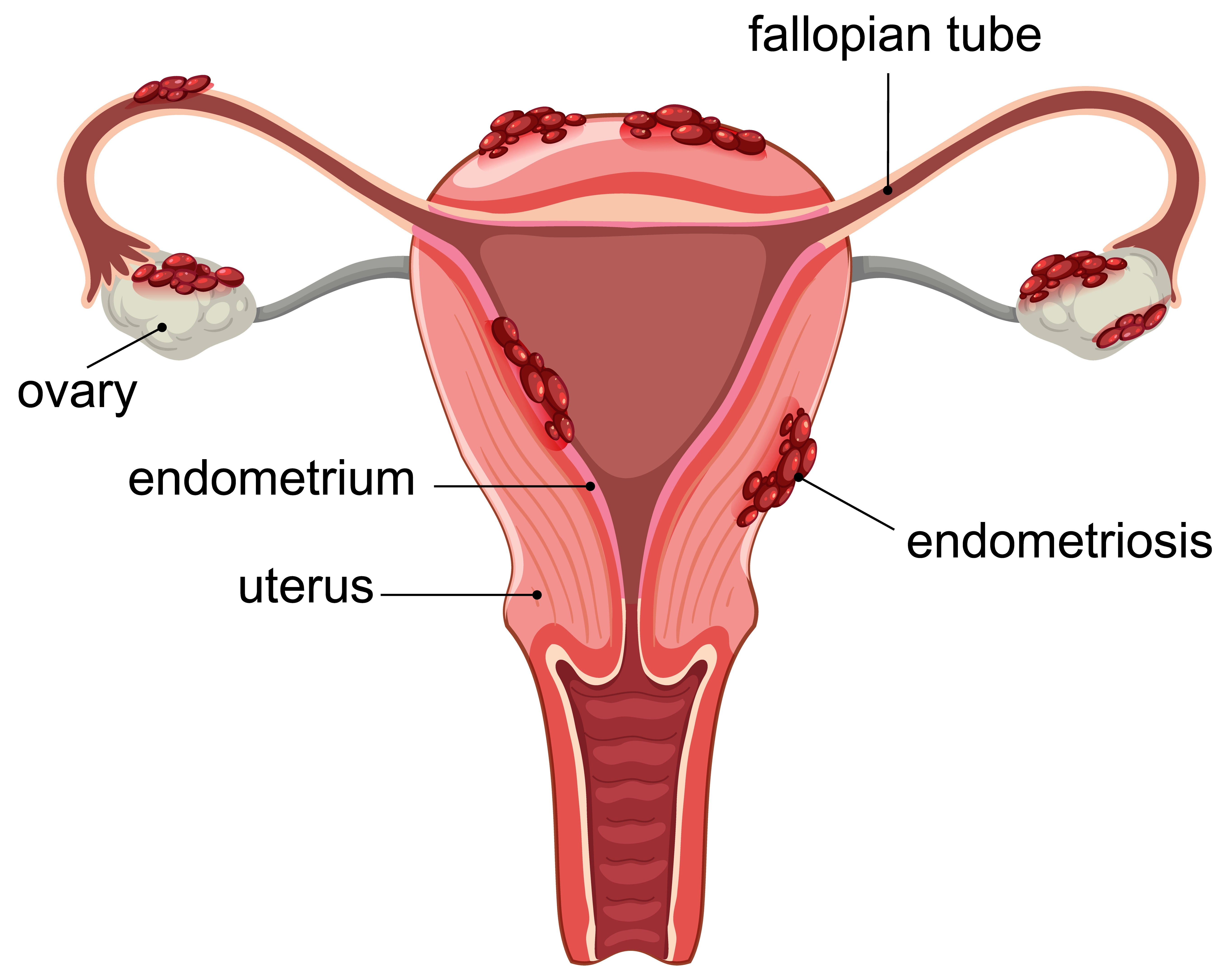
According to the Cleveland Clinic, Endometriosis can affect different parts of the body, most commonly the ovaries, fallopian tubes, and the tissues around the uterus. In some cases, it can also be found on the bladder, bowel, or lower pelvic area. Because this tissue responds to hormonal changes, many women notice that their symptoms get worse during their periods.
10 Common Signs That You May Have Endometriosis
Endometriosis can show up in many ways, and the signs are often easy to miss or ignore. What may seem like normal period pain or routine discomfort could actually be your body trying to tell you something is wrong.
Here are 10 signs you must definitely know:
1. Severe Period Pain That is Not Relieved Easily
Severe menstrual pain is one of the most common symptoms of endometriosis. It is often dismissed and women feel intense cramping during their periods. The pain can also spread to the lower back and thighs. This pain generally doesn't go away with pain relievers and hence disrupts daily life.
2. Pelvic Pain That Occurs Throughout the Month
Chronic pelvic pain is experienced by many women with endometriosis and it is often ignored. Pain can occur even when periods are not present. It may feel dull on some days. On other days, it becomes sharp and the nerves are irritated.
Endometrial lesions press against surrounding organs. Pain signals are amplified and the discomfort can last for years. Living with pelvic pain during endometriosis becomes a routine and it must be evaluated.
3. Lower Back Pain Connected to Menstrual Cycles
Lower back pain is very common in females with endometriosis. But the cause of it is often misidentified. Endometriosis can affect ligaments near the spine and the pain can travel from the pelvis to the lower back. However, these symptom is often ignored by the females as they get confused with normal back pain.
4. Pain During or After Sexual Intercourse
Pain during intercourse is a major warning sign. But it is one of the topics that is rarely talked about. Women can also feel deep pain during penetration. The inflamed tissue behind the uterus is most of the time responsible for this. Fear begins to develop, and intimacy becomes stressful.

5. Heavy, Prolonged or Irregular Menstrual Bleeding
Changes in menstrual flow are commonly reported due to endometriosis. Heavy bleeding is experienced by females and periods may last longer than seven days. Large clots can appear and spotting between cycles can also occur. The reason behind all this is a hormonal imbalance.
Tracking your cycle helps reveal the patterns. Abnormal bleeding should never be ignored.
6. Digestive Symptoms That Mimic Gut Disorders
Digestive issues are frequently misdiagnosed. Endometriosis often seems similar to IBS (Irritable Bowel Syndrome). Bloating can become severe and along with this, constipation and diarrhoea can also occur. Women may also experience extreme pain during bowel movements, which is a result of lesions near the intestines that are responsible
7. Painful Urination or Constant Bladder Pressure
Urinary symptoms are less discussed and they are also often misunderstood. Pain during urination can happen during periods. Frequent urges to urinate are also reported by some women.
8. Difficulty with Pregnancy
Endometriosis is also a leading cause of infertility. It is often discovered late. Scar tissue can block the fallopian tubes. Ovulation may be disrupted. Egg quality can decline due to inflammation. Conception becomes really difficult during this time. But early diagnosis helps and improves these fertility outcomes.
9. Extreme Fatigue That Persists
Fatigue is one of the common symptoms that is ignored during endometriosis. Women feel drained even after rest. Chronic inflammation and pain stress the body, causing sleep disruption.
10. Emotional Changes and Mental Health Strain
Endometriosis affects mental health significantly. This impact is underestimated and never talked about much. Chronic pain increases anxiety and mood changes become frequent. Depression can also develop slowly in some females.
Feeling unheard worsens emotional distress. And it all comes down to one thing that support is essential.
Why is Endometriosis Often Missed or Diagnosed Late?
The symptoms of Endometriosis overlap with many common health conditions. This similarity is misleading. Doctors can initially suspect a hormonal imbalance or digestive issues. But in between these times, many women are told that the discomfort is normal. And then stress is often blamed.
Imaging tests such as ultrasounds may appear completely normal. This is what creates confusion. Small lesions are difficult to detect. As a result, diagnosis becomes complicated. Years may pass before answers are found. And the delay feels very exhausting at one point.
Important Note: Endometriosis does not have one simple test. Many women visit multiple doctors before getting a clear diagnosis, which can cause long delays without clear answers.
Also Read: What Happens If Endometriosis Is Left Untreated
Can Endometriosis Be Treated?
Yes, endometriosis can be treated and managed, but there is no single cure that works for everyone. Treatment for endometriosis depends on the severity of symptoms. A personalised treatment is applied and suggested by doctors for each of the patients. Doctors first evaluate pain levels, age, fertility plans and overall health and then decide the final treatment methods.
Here are the types of endometriosis treatment:
- Hormonal Therapy: It is commonly prescribed to slow disease progression. Some women experience significant improvement. Others notice only partial relief.
- Lifestyle changes and self-care: Simple lifestyle changes can support medical treatment. Regular exercise, stress management, proper sleep, and a balanced diet may help reduce pain and fatigue. Some women also find relief by tracking symptoms and avoiding triggers that worsen pain.
- Fertility treatment options: Endometriosis can affect fertility in some women. If pregnancy is difficult, fertility treatments such as IUI or IVF may help improve the chances of conception. A fertility specialist can guide the best option based on individual needs.
Also Read: How painful is endometriosis? What to expect after the surgery
When to Seek Medical Help Immediately for Endometriosis?
Connecting experienced doctors at Crysta IVF will make your treatment easier and on time. Early diagnosis and treatment can help prevent complications. You must immediately connect with a fertility expert doctor for endometriosis if you observe these symptoms:
- Severe pelvic pain that suddenly worsens or does not improve with painkillers
- Period pain that interferes with daily activities, work, or sleep
- Very heavy periods or bleeding between menstrual cycles
- Periods lasting longer than 7 days
- Pain during or after sexual intercourse
- Painful bowel movements or urination during periods
- Ongoing bloating, constipation, or diarrhoea linked to menstrual cycles
- Difficulty getting pregnant after trying for several months
- Extreme fatigue, weakness, or dizziness during periods
- Symptoms that keep worsening over time despite treatment
ALSO READ: 7 Yoga Poses for Endometriosis: For Easing Pain and Discomfort
Final Thoughts
Endometriosis is more common than many people realise, yet its symptoms are often ignored or misunderstood.
Persistent pain, heavy periods, or fertility concerns are not something you should simply “learn to live with.” Listening to your body and understanding the warning signs can make a big difference in getting timely care.
With early diagnosis, the right treatment, and proper medical guidance, endometriosis can be managed effectively. If you relate to any of these symptoms, connecting with Crysta IVF, Best IVF Clinic in Pune is an important first step toward answers and relief.
Disclaimer
As per the "PCPNDT" (Regulation and Prevention of Misuse) Act, 1994, Gender Selection and Determination is strictly prohibited and is a criminal offense. Our centers strictly do not determine the sex of the fetus. The content is for informational and educational purposes only. Treatment of patients varies based on his/her medical condition. Always consult with your doctor for any treatment.
Have questions about your fertility?
Talk to our fertility specialists. Your first consultation is free.
Explore Crysta IVF
Treatments, centres and costs, all in one place.
