First Trimester Pregnancy: Complete Guide to Symptoms, Care, and Precautions
Dr. Nidhi Sehrawet is a Senior IVF specialist in Delhi with over 19+ years of experience helping couples overcome infertility and realize their dream of parenthood. Her expertise lies in performing advanced reproductive treatments such as IVF , IUI , and ICSI , as well as diagnostic procedures. Currently, she is working as a Senior IVF specialist with the expert panel of the Crysta IVF Centre in Delhi . Dr. Nidhi completed her MBBS from Chaudhary Charan Singh University in 2007 and M.S. (Obstetrics and Gynaecology) from MUHS Nashik in 2012. She has also completed an ART Fellowship and FIAGE from Vasundhara Hospital & Fertility Research Centre, Jodhpur in 2016. She started her career as a senior resident in well-known medical colleges, including Baba Saheb Ambedkar Hospital, Rohini, and has since worked as an IVF consultant, handling complex cases of fertility-related problems with a high success rate. Furthermore, Dr. Nidhi has participated in multiple paper and case presentations and has attended several conferences and CME programs. These include the CME on Hypertensive Disorders in Pregnancy organized by AMOGS in 2013, a paper presented at FERTIVISION in 2017, and the CME on Menopause organized by the National Association of Reproductive and Child Health of India & IMS in 2011. She has also presented posters in Fertivision Delhi in 2017. If you're facing any fertility issues and seeking expert consultation, Dr. Nidhi, known as the IVF Doctor in Delhi is an excellent choice for you. Her professional approach toward infertility problems and her ability to handle them effectively makes her the best in the field. She has earned a reputation for providing exemplary fertility solutions to aspiring couples.
Read more
The first trimester pregnancy is the foundation of your entire pregnancy journey. In these first three months, your baby’s basic structure starts forming, and your body begins adjusting to support this new life. It is a time of incredible transformation where your body begins the hard work of building a new life.
In this article
- 1What to Expect in the First Trimester of Pregnancy?
- 1.1What’s Happening Inside Your Body in the First Month?
- 1.2Changes in Your Body During the First Trimester
- 1.3Baby Development in 1st Trimester Pregnancy
- 2What are the First Trimester Pregnancy Symptoms?
- 2.1Common Physical Changes During the 1st Trimester
- 2.2Other Early Pregnancy Symptoms at 4 Weeks
- 2.3Emotional Changes in the First Trimester
- 2.4What If You Don’t Have Any Symptoms?
- 2.5When Should You Pay Extra Attention?
- 3Baby Development in the First Trimester: Month- by- Month
- 3.11st Month Pregnancy (Weeks 1 - 4)
- 3.22nd Month Pregnancy (Weeks 5 - 8)
- 3.33rd Month Pregnancy (Weeks 9 - 12)
- 3.4Benchmarks for First Trimester Baby Development
- 41st Month Pregnancy Care Plan for Mothers
- 4.1Nutrition for First Trimester Pregnancy
- 4.2Lifestyle Care
- 4.3Crysta IVF Expert Advice for First Trimester Pregnancy
- 5Prenatal Tests and Scans in the First Trimester
- 5.1USG Scan in Early Pregnancy
- 65 Important Early Pregnancy Precautions to Follow
- 6.11. Avoid Heavy Lifting and Strain
- 6.22. Stay Away from Alcohol, Smoking, and Excess Caffeine
- 6.33. Avoid Unprescribed Medicines
- 6.44. Avoid Unsafe Foods
- 6.55. Simple Habits to Follow Daily
- 7First Trimester Pregnancy Care: Do’s and Don’ts
- 8Final Thoughts
- 9FAQs About 1 Month Pregnancy
- 9.1Why is 1st month pregnancy care so important?
- 9.2How many weeks is the first trimester?
- 9.3What are the signs that your pregnancy is going well in the first trimester?
- 9.4How many trimesters are there in a pregnancy?
- 9.5What happens in my body when I'm 1 month pregnant?
- 9.6When does the second trimester start?
- 9.7How do I take care of an early pregnancy?
- 9.8What should I eat in the first month of pregnancy?
- 9.9How does a 1-month pregnant body look?
- 9.10How can I reduce the risk of miscarriage during early pregnancy?
Even small changes when you’re 1 month pregnant can have a big impact on your physical and emotional health, which is why understanding what’s happening. In this guide, we will help you understand exactly what to expect, how to manage 1st-trimester pregnancy symptoms, and how to give your baby the 1st-month pregnancy care.
What to Expect in the First Trimester of Pregnancy?
When you enter the first trimester pregnancy, especially the first month of pregnancy, you might not have a visible "baby bump" yet, but inside your body, a lot is already happening. These first-trimester pregnancy symptoms can feel different for every woman.
What’s Happening Inside Your Body in the First Month?
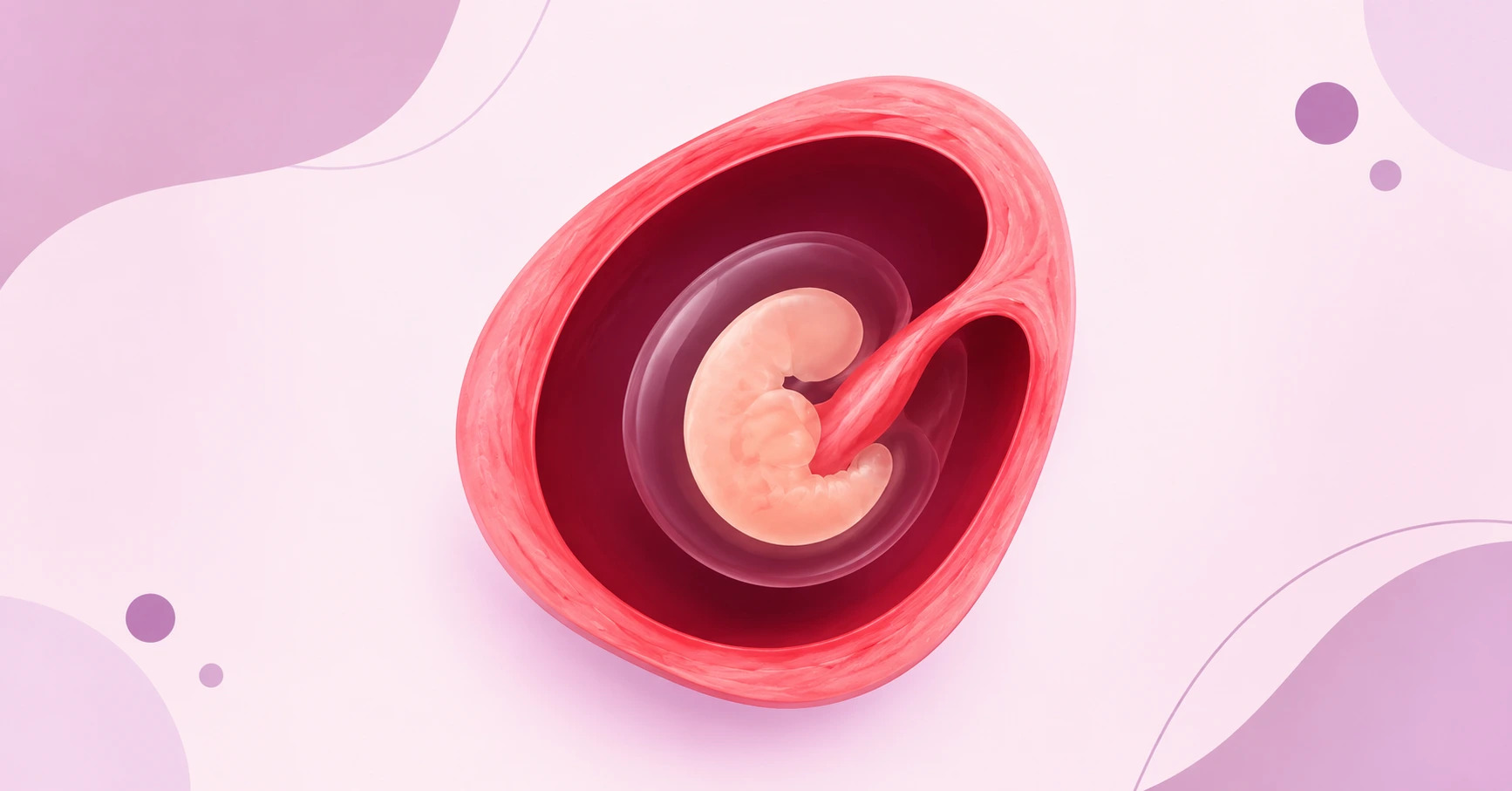
In the early weeks of 1st trimester pregnancy, a fertilised egg travels to the uterus and attaches itself to the lining, which is called implantation. Once settled, your hormone levels, specifically hCG and progesterone, rise rapidly, signalling your body to stop your period and begin building the support system your baby needs to grow.
Here are the key structures that begin forming:
- Amniotic Sac This is a fluid-filled membrane that develops around your foetus. The amniotic fluid within plays a major role in keeping your baby safe during pregnancy. It acts as a shock absorber and protects your baby from injury, helps maintain a steady, warm temperature for development, and allows safe movement and growth.
- Placenta: The placenta is a unique organ that develops only during pregnancy. It attaches to the wall of the uterus and acts as a sophisticated filter. It brings in oxygen and nutrients from your bloodstream to your baby, and also removes waste from your baby’s body. Even though your blood and your baby’s blood stay separate, nutrients and oxygen pass through a thin layer, keeping everything balanced.
- Umbilical Cord This is the connection between you and your baby through the placenta. It contains two arteries and one vein, to supply oxygen and nutrients to your baby, serving as the direct link that supports your baby’s growth throughout pregnancy. It also removes waste products
Changes in Your Body During the First Trimester
Every woman experiences first trimester pregnancy symptoms differently. You may feel all of these, or you may feel none at all; both are completely normal.
- Breast and Skin ChangesDue to a surge in estrogen and progesterone, your mammary glands begin to enlarge. You may notice your breasts may feel swollen, tender, or heavier as they prepare for breastfeeding. The areolas (the dark circles around the nipples) often grow larger and darker, and veins may become more visible. You might see small, white bumps (called Montgomery’s tubercles) appearing; these are simply enlarged sweat glands designed to keep the area lubricated.
- Frequent Urination and DigestionAs the foetus in the uterus grows, it starts to press against your bladder, causing you to feel the need to urinate more often. Also, significant changes in your hormones may cause the muscles in your digestive tract to relax. While this helps your body absorb more nutrients for the baby, it can slow down digestion, leading to heartburn, indigestion, bloating, and constipation. Eating small, frequent meals can help manage this.
- Fatigue and CirculationYou might experience a level of tiredness you’ve never felt before. This feeling of unusual extreme fatigue is your body’s reaction to the massive physical and emotional demands of the first month of pregnancy. Furthermore, your total blood volume increases by nearly 40% to 50% to ensure the uterus receives enough blood flow, which may cause your pulse rate to feel slightly faster than usual.
- Emotional ShiftsThe hormonal changes required to sustain a pregnancy often trigger mood swings. You might notice irritability or heightened emotions, sudden mood changes, and feeling emotional without a clear reason. Combined with morning sickness, these changes are simply a sign that your body is successfully adapting to its new role of a mother.
Baby Development in 1st Trimester Pregnancy
At this stage, your baby is an embryo - smaller than a grain of rice; however, the basic layers that will form the nervous system, skin, and organs are already starting to develop.
Remember:
During the 1st trimester pregnancy, the developing foetus is most sensitive to external factors. This is why taking precautions during 1st month of pregnancy, such as avoiding alcohol, smoking, and unprescribed medications, is very important to prevent any developmental damage.
What are the First Trimester Pregnancy Symptoms?
In the first trimester of pregnancy, symptoms can feel different for everyone. Some women notice changes immediately, while others take a few weeks to feel anything. At the stage of being 1-month pregnant, your body is adjusting to rising hormone levels. You may feel slightly off, tired, or emotional without knowing exactly why. While these can be uncomfortable, they are usually a sign that your first-trimester pregnancy hormones are doing their job. Here are the most common 1st trimester pregnancy symptoms you may notice.
Common Physical Changes During the 1st Trimester
When you’re 1 month pregnant, you might not feel different at all, and it is perfectly normal to have no symptoms in the earliest days. However, once the pregnancy hormone hCG (human chorionic gonadotropin) starts to rise, your body may begin to show early signs.
- Nausea or morning sickness: You may feel uneasy, especially in the morning, but it can occur at any time during the day.
- Fatigue: You might feel exhausted without doing much and even after a full night’s sleep. This is because your body is using a lot of energy to support the pregnancy.
- Breast tenderness: Your breasts may feel sore, heavy, or more sensitive than usual as they prepare for breastfeeding.
- Frequent urination:You may find yourself going to the washroom more often, due to hormonal changes that increase blood flow.
- Mood swings:You may feel sudden emotional shifts - feel joyful one minute and tearful the next, get irritated, or feel low without a clear reason due to hormonal shifts.
- Frequent Urination:You might find yourself running to the bathroom more often as your kidneys work harder and your uterus begins to grow.
- Digestive Changes:Hormones slow down your digestion, which can lead to heartburn or constipation. To find relief, eat fibre-rich foods like whole grains and vegetables, and avoid lying down immediately after eating.
- Skin and Hair Changes:Some women notice thicker, shinier hair, while others may see darker patches of skin on the face known as chloasma.
Other Early Pregnancy Symptoms at 4 Weeks
As the weeks progress, the rise in hormones like progesterone and estrogen leads to several other noticeable changes:
- Slight weight changes or clothes feeling tighter around the waist
- A strange or metallic taste in your mouth
- New food cravings or sudden dislikes
- A stronger sense of smell
- Light spotting (when the fertilised egg attaches to the uterus)
- Mild cramping, similar to period pain
- White, milky vaginal discharge
- Bloating or slight discomfort in the stomach
- You may feel heartburn because digestion slows down
- Some women experience constipation
Simple steps like eating light food, staying hydrated, and avoiding strong smells can help you manage these symptoms better.
Emotional Changes in the First Trimester
Pregnancy doesn’t just affect your body; it also affects how you feel, as it isn’t just your body that changes. It is common to feel a mix of delight, anxiety, and exhaustion all at once.
- Mood Swings:Rapidly shifting hormones can make you feel joyful one moment and tearful the next.
- Anxiety and Stress:It is natural to worry about your baby’s health, financial planning, or balancing work and family life.
What If You Don’t Have Any Symptoms?
If you don’t notice any first trimester pregnancy symptoms, don’t worry. It doesn’t mean anything is wrong. Some women feel very few changes in the beginning and still have completely healthy pregnancies.
When Should You Pay Extra Attention?
While most first-trimester pregnancy symptoms are normal, you should speak to your doctor if you notice:
- Severe vomiting (you can’t keep food down)
- Heavy bleeding
- Strong abdominal pain
- High fever
- Extreme weakness
If you feel overwhelmed or sad for more than two weeks, or if your mood swings feel very intense, always reach out to your healthcare professional for support. The team at Crysta IVF is here to ensure you feel supported through every emotional and physical milestone.
Baby Development in the First Trimester: Month- by- Month
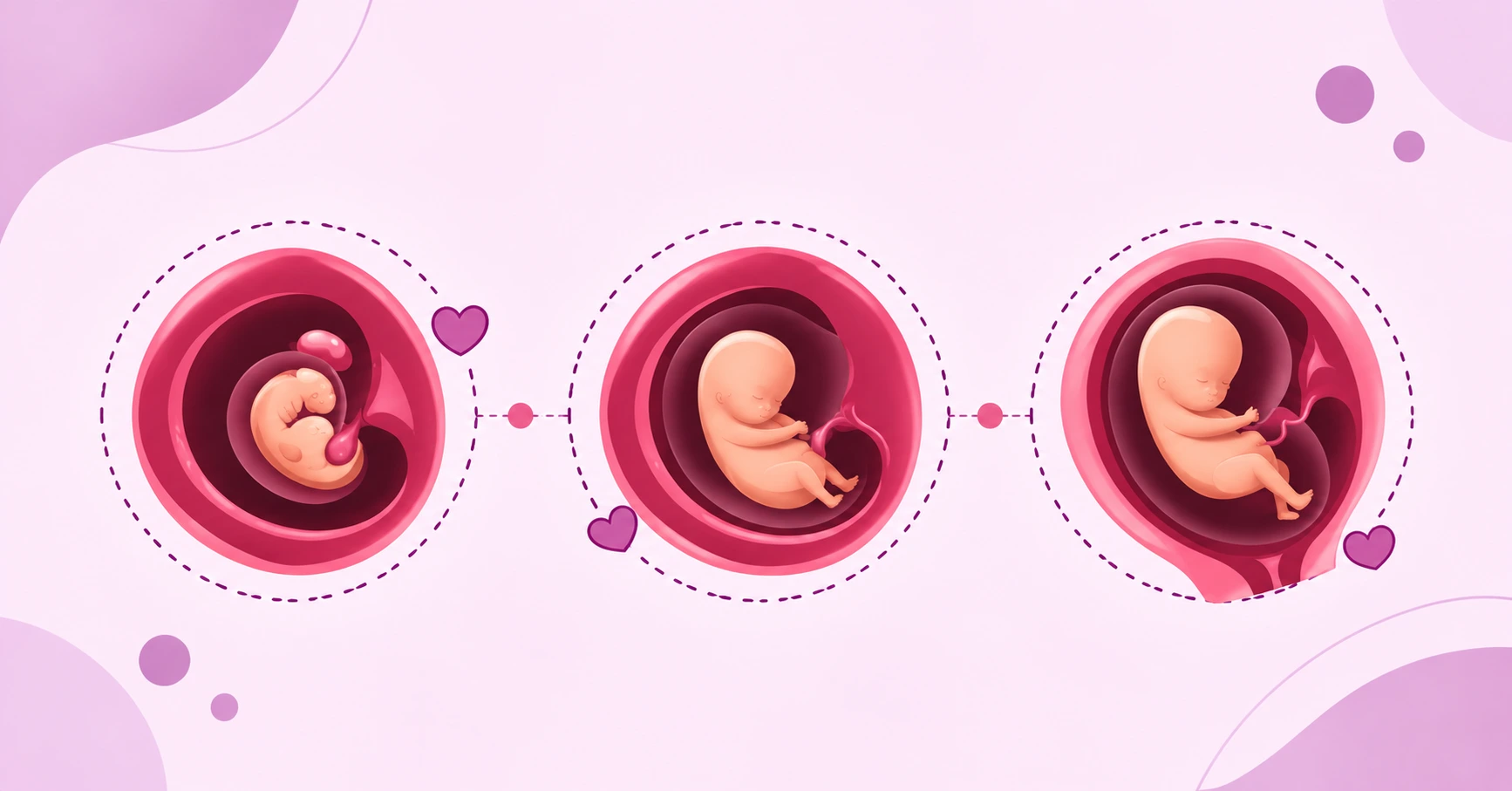
Watching your baby grow month by month is fascinating and can make you feel more connected to the baby. Here is how your little one changes when you’re one month pregnant to the end of 3 months pregnant:
1st Month Pregnancy (Weeks 1 - 4)
The first month of pregnancy is the time of conception and implantation. At this stage, your baby is extremely small, almost the size of a grain.
- Fertilisation happens, and the embryo starts forming
- The fertilised egg attaches itself to the uterus (implantation)
- A tiny structure called the ‘fetal pole’ may start developing
You might not see many symptoms yet, but internally, your body is laying the foundation for the brain, spinal cord, and heart and preparing for the months ahead.
2nd Month Pregnancy (Weeks 5 - 8)
This is when changes start to occur more quickly. By the end of week 8, your baby is about the size of a raspberry.
- Your baby’s heart starts beating
- Basic features like the brain and spinal cord begin forming
- Major organs like the liver and kidneys start to form
- Tiny buds appear that will become arms and legs
You are more likely to experience first trimester pregnancy symptoms like nausea and fatigue during the second month of pregnancy. This is also when most women confirm their pregnancy through a test or a doctor visit.
3rd Month Pregnancy (Weeks 9 - 12)
By the third month, your baby has grown roughly the size of a lemon, and changed a lot; it is now officially called a foetus instead of an embryo.
- Facial features begin to develop
- Fingers and toes start forming
- Major organs are already in place and continue developing
- The tail at the bottom of the spinal cord disappears, and tiny fingers and toes with soft nails begin to form
By the end of the 1st trimester pregnancy, your body may slowly adjust to the hormonal changes, and your baby can even make small movements, though you won't feel them just yet.
Benchmarks for First Trimester Baby Development
| Timeline | What's Happening Inside Your Body |
|---|---|
| By Week 4 (End of 1st Month) |
|
| By Week 8 (End of 2nd Month) |
|
| Weeks 9–12 (3rd Month) |
|
| Important Insight (First Trimester) |
|
1st Month Pregnancy Care Plan for Mothers
The first trimester pregnancy is a period of significant biological changes happening in your body. Therefore, every small choice you make daily can directly impact your baby’s development.
Your 1st month pregnancy care isn’t complicated; here’s how you can help your body adapt to its new hormonal environment.
Nutrition for First Trimester Pregnancy
What you eat during the first trimester pregnancy builds the foundation for your baby’s brain, heart, and bones. Focus on these nutrients:
- Proteins: Include lean meats, pulses, paneer, and eggs to help build tissues..
- Iron-Rich Foods: Spinach, beetroot, and fortified cereals help prevent anaemia as your blood volume increases.
- Calcium: Milk, yoghurt, and seeds are essential for your baby's bone and tooth bud development.
- Folic Acid: Taking a folic acid supplement is one of the most critical precautions during 1st month of pregnancy. It significantly reduces the risk of neural tube defects.
- Stay Hydrated: Water is essential for forming the amniotic sac and supporting your increased blood volume. Aim to drink 8 - 10 glasses of water a day.
So, remember that you don’t need a fancy diet. Eating simple, home-cooked food is best for 1st month pregnancy care.
Lifestyle Care
Your body is adjusting, so building a proper 1st-month pregnancy care routine will greatly support your body's adaptation. Here’s what you can do:
- Rest is Not Optional: You may feel tired more than usual because your body is building an entire organ (the placenta). So, if you feel a sudden wave of exhaustion, don’t stress, as that’s normal in the first month of pregnancy. Remember to sleep for at least 8 to 9 hours and take short breaks during the day. Don’t push yourself too hard.
- Indulge in Light Movement: You don’t have to be completely inactive, as lack of movement can also negatively affect the baby. Instead, begin with light, consistent activities like 20-minute walks. to improve energy or gentle stretching (if comfortable) is also fine. However, stop immediately if anything causes discomfort.
- Managing Nausea: Keep dry crackers or ginger tea by your bedside to settle your stomach before you even get out of bed.
- Doctor Consultation: Schedule your first prenatal visit as soon as you get a positive pregnancy test. Early screening helps identify the best care plan for your specific health needs.
Crysta IVF Expert Advice for First Trimester Pregnancy
“I often meet women who ask me many questions out of fear, like, ‘Doctor, is it normal to feel this tired?’ or ‘What if I’m not doing enough to protect my baby in these early weeks?’
I want new mothers to know that feeling this way is completely normal. We look at the first three months as the foundation of your journey, and our medical team at Crysta IVF is here to provide the 1st month pregnancy care and specialised guidance you need to feel secure.
What helps is staying aware and taking small, practical steps every day. I’d suggest keeping track of your first trimester pregnancy symptoms, maintaining good hygiene, and finding simple ways to relax, like light yoga or listening to music. It’s also important to stay open about how you feel.
Every pregnancy is different, so personalised advice always works best for your body. Please remember, all the first trimester pregnancy symptoms you feel are signs of your body’s incredible strength in creating a new life. By following these expert early pregnancy precautions and staying in tune with your needs, you can navigate this first chapter easily.”
Dr. Nidhi Sehrawet
Senior IVF Specialist
Crysta IVF
Prenatal Tests and Scans in the First Trimester
Another important part of 1st month pregnancy care is timely medical care to help you stay informed and reduce unnecessary worry.
Medical monitoring in the first month of pregnancy is the most thorough, which includes your complete medical history, a physical exam, and certain tests and procedures to assess the health of both you and your unborn baby. During this visit, your doctor will:
- Ask about your previous and current medical conditions
- Record your weight and blood pressure
- Ask about your last period and symptoms
- Confirm pregnancy through a test
- Suggest basic blood tests to check your blood group, Rh factor, and iron levels
- Screen you for infections like Rubella or Hepatitis
- Suggest urine tests to screen for bacteria, glucose and protein
- Start supplements like folic acid
- Conduct a pelvic exam
- Suggest genetic tests to find inherited diseases, if any
You can also use this time to ask questions and clear doubts.
USG Scan in Early Pregnancy
Your doctor will also suggest an early USG in pregnancy or an ultrasonographic scan, often called a dating scan. Usually done between weeks 7 and 10, this ultrasound scan helps:
- Confirm the pregnancy inside the uterus
- Check your baby’s heartbeat
- Estimate how many weeks pregnant you are
- Rule out any early complications
- Provide an accurate due date
- Check for twins
Thus, going for early monitoring as a part of 1st month pregnancy care is essential and nothing to be feared. They help detect issues early, give clarity about your baby’s growth, and reduce anxiety by giving you real information.
5 Important Early Pregnancy Precautions to Follow
Now that you know how to do 1st month pregnancy care, let’s focus on what you should avoid. Here are some important precautions during 1st month of pregnancy that you, expectant mothers, should follow to reduce the risks during the most sensitive stage of pregnancy:
1. Avoid Heavy Lifting and Strain
It's better to avoid lifting heavy objects or doing physically intense activities altogether. Avoid gym workouts that involve jumping or high impact and don’t put pressure on your lower abdomen. You can choose to do light movement like walking instead, as your body will not be able to handle strain right now.
2. Stay Away from Alcohol, Smoking, and Excess Caffeine
Anything you consume reaches your baby, too. So, strictly avoid alcohol and smoking, even passive, as these can cross the placenta and cause permanent developmental damage.
Also, limit caffeine (tea or coffee) intake to one small cup of coffee or tea per day, if you must. Even small 1st month pregnancy care habits like these can make a big difference.
3. Avoid Unprescribed Medicines
Don’t take any medicine without asking your doctor - not even the common ones like painkillers or antibiotics, as some may not be safe for the baby. Avoid self-medication and always inform your doctor before starting any new medication. This is one of the most important yet overlooked early pregnancy precautions.
4. Avoid Unsafe Foods
In 1st trimester pregnancy, your immunity may be slightly lower, which is why doctors recommend avoiding any raw or undercooked food, like raw eggs, unpasteurized milk, and sushi, as these can carry infection-causing bacteria.
Also, wash fruits and vegetables properly before eating and stay away from people with infections as much as possible. These simple steps will help reduce unnecessary risks.
5. Simple Habits to Follow Daily
While following the essential precautions during 1st month of pregnancy, it is also important to focus on a few easy habits, such as:
- Getting enough rest
- Staying hydrated
- Wearing comfortable, loose clothes
- Avoiding long travel or jerky rides in the early weeks of pregnancy
These small habits and precautions ensure that you have a smoother 1st trimester pregnancy.
First Trimester Pregnancy Care: Do’s and Don’ts
Your daily routine has a direct impact on your 1st trimester pregnancy. So, instead of overthinking, you can follow a simple approach. Here’s what to do and what to avoid in the first month of pregnancy:
| What to Do? | What to Avoid? |
|---|---|
| Take daily supplements, specifically folic acid, which supports your baby’s brain and spine, and iron, which helps prevent weakness and supports blood flow. | Avoid skipping any supplement as it increases the risk of maternal anaemia and birth defects. |
| Eat balanced, home-style meals with a focus on fruits, vegetables, whole grains, protein (dal, eggs, paneer), and dairy for proper nutrition. | Avoid self-medication with over-the-counter drugs and stop blindly following random tips. Always consult a professional before taking any medication. |
| Aim for 8 - 10 glasses of water daily to maintain energy, ease digestion, and prevent constipation. | Strictly avoid alcohol and smoking. These can directly impact your baby’s growth and overall health, and lead to lifelong issues. Keep caffeine intake to one cup a day. |
| Aim for 8 - 9 hours of sleep and take breaks when you feel tired. Your body needs extra recovery time. | Skipping meals if you are struggling with morning sickness can lead to weakness and nutrient gaps. Choose light, easy-to-digest food. |
| Engage in light walking or prenatal yoga to boost circulation and lower stress. | Say no to heavy lifting, high-impact workouts, or standing for extended periods. |
| Ensure to visit your doctor regularly, as early check-ups help track your pregnancy and guide your care properly. | Don’t ignore any persistent discomfort, no matter how small. If you have ongoing pain, unusual spotting, or severe fatigue, do not try to manage it with random medicines or home remedies. Always check with your doctor. |
Final Thoughts
The first trimester pregnancy is the start of a life-changing journey and a period of incredible change. While the physical symptoms can be challenging, and you might need to take extensive early pregnancy precautions, remember that with the right care, simple precautions, and regular check-ups, will help.
By staying consistent with your 1st month pregnancy care, prioritising a nutrient-rich diet, and maintaining open communication with your doctor, you can navigate the first month of pregnancy with clarity and peace of mind.
As every woman’s journey is unique, you deserve a support system that caters to your personalised needs. Our expert support from Crysta IVF provides comprehensive monitoring and personalised guidance starting when you’re 1 month pregnant, ensuring that you and your baby receive the highest standard of care. .
FAQs About 1 Month Pregnancy
Why is 1st month pregnancy care so important?
The 1st month pregnancy care is critical in your pregnancy journey because it lays the essential foundation for your baby’s entire life. At this stage, your baby’s brain and spinal cord begin forming, and major organs start developing. Therefore, taking proper care and early pregnancy precautions helps drastically reduce the risks of infections, nutrient deficiencies, and early developmental complications in your baby.
How many weeks is the first trimester?
The first trimester pregnancy lasts from week 1 to the end of week 12. It is calculated starting from the first day of your last menstrual period (LMP). During these thirteen weeks, your baby develops from a fertilised egg into a fully formed fetus with all major organ systems in place. This stage is considered the most critical period for your baby’s structural development and growth.
What are the signs that your pregnancy is going well in the first trimester?
While every woman's journey is unique, common first trimester pregnancy symptoms include consistent weight gain, a steady fetal heartbeat during ultrasounds, and typical symptoms like breast tenderness or morning sickness. These symptoms indicate that your hormone levels are rising sufficiently to support the pregnancy. Regular prenatal check-ups and scans that show how the baby is making progress.
How many trimesters are there in a pregnancy?
A full-term pregnancy is divided into three trimesters, each lasting approximately three months. The first trimester covers weeks 1–12 and focuses on organ formation. The second trimester runs from week 13 to week 27 and focuses on growth and functional development, and the third trimester continues until birth, with a focus on weight gain and preparation for birth. Together, these three phases cover the standard 40-week gestation period.
What happens in my body when I'm 1 month pregnant?
In the first month of pregnancy, the fertilised egg implants into the uterine lining. Your body begins producing hCG hormones, which stop your period and may cause early symptoms like fatigue or nausea; however, you may not notice many physical changes yet. On the inside, your baby, currently an embryo, begins developing early structures for its brain, spinal cord, and heart.
When does the second trimester start?
The second trimester begins at the start of week 13 of pregnancy and lasts until the end of week 26. By this time, your baby’s basic organs are already formed, and growth becomes steadier. During this time, the risk of miscarriage significantly drops, and many first trimester pregnancy symptoms, such as morning sickness and extreme fatigue, begin to fade. Mothers may feel an increase in energy and a noticeable baby bump.
How do I take care of an early pregnancy?
Proper 1st month pregnancy care involves focusing on simple habits and starting prenatal vitamins with folic acid immediately to support the baby's neural development. Eat balanced meals, take prenatal vitamins like folic acid, stay hydrated, and get enough rest. Avoid alcohol, smoking, and heavy physical strain. Regular doctor visits and following basic early pregnancy precautions help ensure a healthy start.
What should I eat in the first month of pregnancy?
During the first month or entire first trimester of pregnancy, eat simple, nutritious food. Focus on a nutrient-dense diet rich in folic acid, iron, and calcium. Include leafy greens, lean proteins, whole grains, and pasteurised dairy products. Due to 1st trimester pregnancy symptoms like nausea, try bland foods like ginger, bananas, and dry toast. Avoid raw seafood and excessive caffeine.
How does a 1-month pregnant body look?
At one month pregnant, there may not be visible physical changes. You likely won't show a visible bump, though you may feel slightly bloated. Internally, the embryo is about the size of a poppy seed, and development has just started. Most changes are happening internally at this stage, so don’t expect any significant changes in the external ‘look’ at this time.
How can I reduce the risk of miscarriage during early pregnancy?
While many early pregnancy miscarriages happen due to chromosomal issues, which are beyond your control, you can reduce risks by following strict early pregnancy precautions. Avoid tobacco, alcohol, and any drugs, and limit caffeine intake. Protect yourself from infections by practising good hygiene and avoiding raw foods. Manage stress through relaxation techniques and ensure you attend all prenatal appointments. Take folic acid, maintain a healthy weight, and follow your doctor’s advice thoroughly.
Disclaimer
As per the "PCPNDT" (Regulation and Prevention of Misuse) Act, 1994, Gender Selection and Determination is strictly prohibited and is a criminal offense. Our centers strictly do not determine the sex of the fetus. The content is for informational and educational purposes only. Treatment of patients varies based on his/her medical condition. Always consult with your doctor for any treatment.
Have questions about your fertility?
Talk to our fertility specialists. Your first consultation is free.
Explore Crysta IVF
Treatments, centres and costs, all in one place.
