
Updated on 24th August, 2026
Most couples know how to get pregnant naturally by having regular, unprotected sex during the fertile window and maintaining good reproductive health. There is no single trick that guarantees faster conception, but tracking ovulation, eating a balanced diet, maintaining a healthy weight, taking folic acid, and avoiding smoking can improve your chances.
Healthy couples under 35 conceive within 12 months, while those aged 35 or older should consider a fertility evaluation after 6 months of trying. This guide shares 15 doctor-reviewed, research-based tips to help you conceive naturally, along with common mistakes to avoid and signs that it’s time to seek expert help.
Table of Content
Table of Contents
What is the Fastest Natural Way to Get Pregnant?
The fastest natural way to get pregnant is to have regular, unprotected sex during your fertile window. Since sperm can survive in the female reproductive tract for up to five days, timing intercourse around ovulation gives you the highest chance of conception.
Here are the most effective natural ways to conceive faster:
- Track your ovulation accurately using an ovulation calculator, changes in cervical mucus, or your menstrual cycle.
- Have sex every 1 – 2 days during your fertile window to ensure healthy sperm are available when the egg is released.
- Take folic acid before pregnancy (usually 400 mcg daily) to support a healthy pregnancy and reduce the risk of certain birth defects.
- Avoid smoking, recreational drugs, and excessive alcohol, as they can reduce fertility in both women and men.
- Limit caffeine to moderate amounts, as very high caffeine intake may affect fertility.
Doctor’s Tip: There is no proven natural remedy, food, or sexual position that guarantees pregnancy. If you’ve been trying for 12 months (under 35 years) or 6 months (35 years or older) without success, it’s time to speak with the best fertility specialist to identify any treatable causes.
15 Doctor-Reviewed Tips to Get Pregnant Naturally
The best ways to get pregnant naturally include tracking your ovulation, having sex during your fertile window, maintaining a healthy weight, eating a balanced diet, taking folic acid, getting enough sleep, and avoiding smoking and excessive alcohol.
These is how to increase your chances of getting pregnant early:
1. Track Your Ovulation and Identify Your Fertile Window
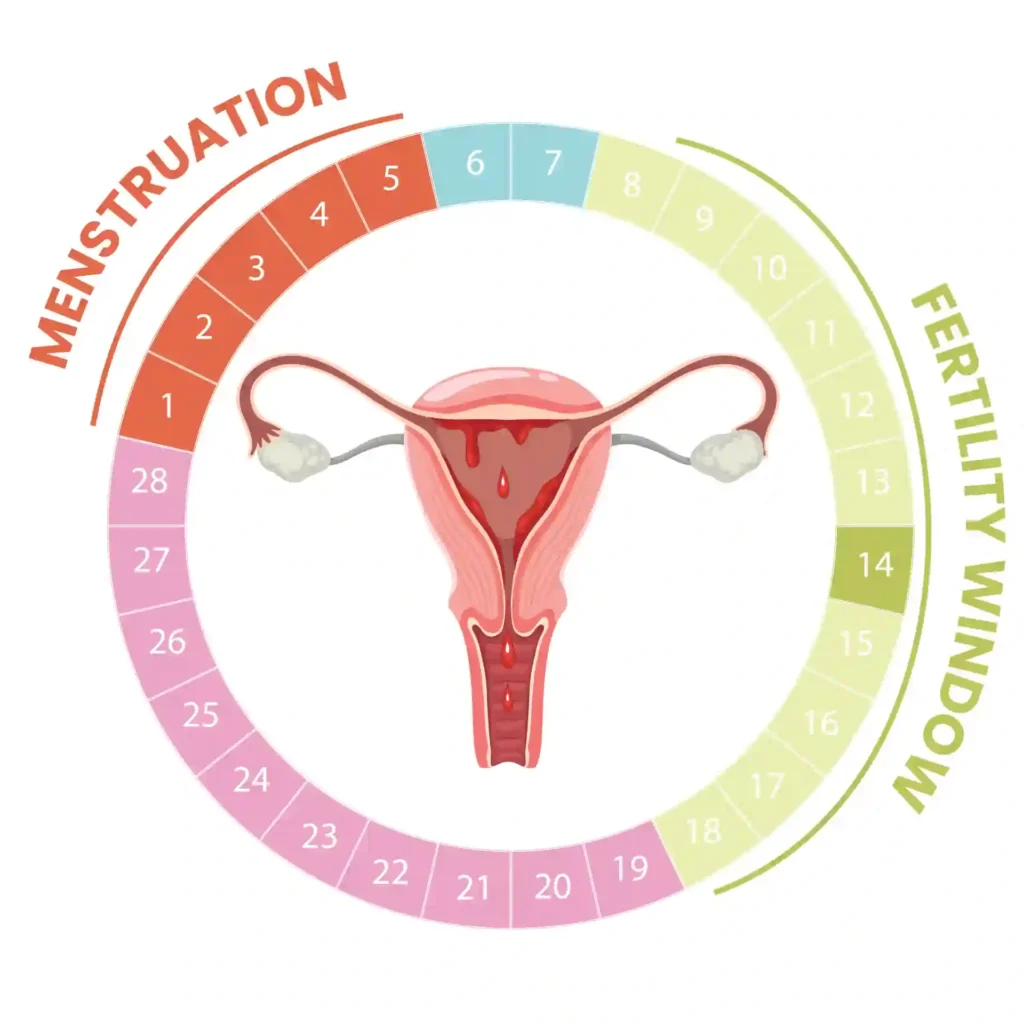
One of the most important steps when trying to conceive naturally is understanding when you ovulate. The fertile window includes the five days before ovulation and the day of ovulation, when the chances of pregnancy are highest.
As per expert doctors, you can track ovulation using:
- Ovulation calculator or conception calculator
- Changes in cervical mucus
- Basal body temperature tracking
- Menstrual cycle tracking
Knowing your fertile days helps you plan intercourse at the right time instead of relying only on guesswork.
2. Have Sex During Your Fertile Days
Timing intercourse around ovulation can significantly improve your chances of conception. Since sperm can survive inside the female reproductive tract for up to five days, having regular intercourse during your fertile window increases the possibility of sperm being available when the egg is released.
Doctors generally recommend having sex every 1 – 2 days during the fertile window for couples trying to conceive naturally.
3. Maintain a Healthy Weight
Achieving and maintaining a healthy weight is crucial for optimal fertility. Being either underweight or overweight can negatively impact fertility by altering hormone levels and disrupting ovulation. Maintaining a healthy weight through a balanced diet and regular exercise can help regulate hormones and improve the chances of successful conception.
4. Follow a Fertility-Friendly Diet
Nutrients found in vegetables, fruits, whole grains, nuts, seeds, and lean proteins provide antioxidants, vitamins, and minerals that support healthy hormone function.
A fertility-supportive diet usually includes:
- Colourful fruits and vegetables
- Healthy fats like nuts, seeds, and omega-3-rich foods
- Adequate protein
- Whole grains
- Fibre-rich foods
Also Read – Tips on how to Achieve Optimal Fertility Through Diet and Nutrition
5. Take Prenatal Vitamins
Prenatal vitamins can give your body the necessary nutrients for a healthy pregnancy. Folic acid, iron, and calcium are essential for fertility and prenatal health.
Doctors usually recommend taking folic acid before trying to conceive, but the right dosage may vary depending on your health history. Always consult your doctor before starting supplements.
6. Choose Healthy Carbohydrates, Especially If You Have PCOS
Polycystic ovary syndrome (PCOS) is a condition that affects the functioning of a woman’s ovaries. The carb intake is directly related to your Insulin levels, so following a lower-carb eating plan is suggested for women with PCOS.
Instead of completely avoiding carbohydrates, focus on choosing healthier options such as:
- Whole grains
- Vegetables
- Fruits
- High-fibre foods
To clarify further, reduce your sugar intake; don’t have sugar, starchy veggies, or trans fat. But instead, try to have Poultry and fruits as recommended by experts.
7. Include Enough Protein From Healthy Sources
Protein plays an important role in maintaining overall health and supporting reproductive function. Choosing healthier protein sources can help provide essential nutrients needed by your body to get pregnant fast and easy.
Crysta IVF doctors recommend that even a mere 5% of protein intake can increase the risk of ovulatory infertility by more than 50%.
Good protein options include lentils and beans, eggs, dairy products, fish, lean meats, nuts and seeds.
8. Have More Fibre in Your Diet
Keeping your blood sugar levels balanced is key to fertility because this directly influences your insulin levels, and fibre helps you get rid of excess hormones.
Doctors suggest oats, fruits, and sweet potatoes, with lower levels of estrogen and soluble fibre from fruit having the strongest association with a lower concentration of estrogen.
Tip: An average female should have an intake of 25 grams of fibre along with their partner, who should ideally consume 30 grams daily.
9. Caffeine and Smoking Can Affect Your Chances of Conception
Cut out the caffeine, excess alcohol, and smoking from your life. Smoking can affect egg quality, ovarian function, and sperm health. Excess alcohol intake may also increase the time it takes to conceive.
You are trying to bring life into the world; because of tobacco and caffeine, your fertility rate decreases, and on top of that, with excessive alcohol intake, you can risk increasing the time it would take you to be pregnant.
10. Get Active & Exercise Daily
Exercise is a top recommendation for boosting conception, offering numerous benefits, especially for those struggling with obesity. Maintaining a healthy weight can improve your immunity and overall health.
However, overdoing it can have the opposite effect, with high-intensity exercise linked to a 7% increase in infertility.
11. Reduce Stress
Stress has a profound impact on hormone levels and can negatively impact fertility. However, stress alone does not cause infertility, but finding healthy ways to manage it can support your physical and emotional health.
Finding healthy ways to manage stress, such as meditation, yoga, or exercise, can help improve your chances of getting pregnant.
12.Take Time to Relax & Sleep
There are so many ways to get pregnant fast & naturally without any complications. One of these includes sleep. It plays an important role in maintaining healthy hormones and overall reproductive health.
According to Crysta IVF, receiving support and consultation can significantly reduce anxiety and stress levels.

13. Support Male Fertility Health
Sperm health can be affected by lifestyle factors such as smoking, alcohol, obesity, poor diet, and excessive heat exposure. Hence, it is important to take care of sperm health as much as women’s health.
Men trying to conceive can support sperm health by:
- Maintaining a healthy weight
- Exercising regularly
- Eating a balanced diet
- Avoiding smoking and excessive alcohol
- Getting sperm health checked with a sperm analysis test
14. Review Your Health Conditions and Medicines Regularly
Certain health conditions can affect fertility and may need attention before pregnancy. Speak with your doctor if you have:
- Irregular periods
- PCOS
- Thyroid problems
- Endometriosis
- Diabetes
- Previous pregnancy complications
Also, review any regular medicines with your healthcare provider to ensure they are safe while planning pregnancy.
15. Know When to Seek Medical Help
Most healthy couples conceive naturally within a year of regular, unprotected intercourse. However, it is important to consult a fertility specialist if pregnancy does not happen within the expected timeframe.
Expert doctors generally recommend seeking help:
- Before 35 years: After 12 months of trying
- 35 years or older: After 6 months of trying
- 40 years or older: Consider evaluation earlier
Early evaluation can help identify possible fertility challenges and guide you toward the right next steps.
What are the Biggest Mistakes Couples Make While Trying to Conceive Naturally?
Many couples assume that pregnancy will happen within the first few months of trying. However, it depends on several factors, including ovulation, sperm health, age, and overall reproductive health.
Some common mistakes can reduce your chances of getting pregnant or delay the right treatment. This includes:
- Not Tracking the Fertile Window Correctly: Many couples miss their most fertile days by relying only on their calculations. In reality, ovulation can vary from cycle to cycle. Hence, tracking ovulation is important.
- Having Intercourse Only on the Day of Ovulation: An egg survives for only about 12–24 hours after it is released and sperm can live in the female reproductive tract for up to five days. Hence, having sex every 1 – 2 days during your fertile window gives you a better chance of fertilisation.
- Depending on Unproven Home Remedies: There is no food, herbal remedy, supplement, or sexual position that can guarantee pregnancy. Always take steps that can help you get pregnant naturally as per your doctor’s advice.
- Delaying Medical Help for Too Long: Many couples continue trying naturally for years, hoping pregnancy will happen. Hence, consult your doctor after a year of trying if you are below 30.
- Ignoring Lifestyle Habits That Affect Fertility: Smoking, excessive alcohol intake, obesity, poor sleep, chronic stress, and a diet high in processed foods can all affect reproductive health. Improving these habits can create a healthier environment for conception and support both egg and sperm quality.
Summing It Up
Enhancing fertility has never been more crucial, with factors like environmental stress, busy lifestyles, job stress, and unhealthy habits all playing a role. That’s why it’s essential to do all you can to support your body’s natural ability to conceive.
If you’ve been trying to conceive naturally without success (especially for more than 12 months), it may be time for a fertility check. For the best fertility tips to get pregnant, contact Crysta IVF – Best IVF Centre in Delhi.
Identifying the cause early can help you choose the right treatment and avoid unnecessary delays on your path to pregnancy.
FAQs About How to Get Pregnant Naturally
Which days are best to conceive?
The best time to conceive is during your fertile window, which includes the five days before ovulation and the day of ovulation.
Can I get pregnant naturally after 35?
Yes. Many women conceive naturally after the age of 35 and go on to have healthy pregnancies. However, if you’re 35 or older and have been trying to conceive for 6 months without success, it’s recommended to consult a fertility specialist for an evaluation.
How many times should we have sex during ovulation?
Expert doctors generally recommend having sex every 1–2 days during your fertile window rather than only on the day of ovulation.
Can you get pregnant naturally with PCOS?
Yes. Many women with PCOS get pregnant naturally, especially if they ovulate regularly or respond well to lifestyle changes and treatment.
How long does it usually take healthy couples to conceive?
Most healthy couples conceive within 12 months of regular, unprotected sex. Some may become pregnant within the first few months, while others take longer.
Can irregular periods affect natural conception?
Yes. Irregular periods can make it more difficult to get pregnant naturally because they indicate irregular or absent ovulation. Without regular ovulation, it becomes harder to predict your fertile window and time intercourse for conception.
Can you get pregnant naturally after a miscarriage?
Yes. Many women go on to conceive naturally and have healthy pregnancies after a miscarriage. In most cases, a single miscarriage does not reduce your future fertility.