

Hormonal imbalance in females can be treated by identifying and treating its underlying cause. Depending on the reason for the imbalance, treatment may include lifestyle changes, a balanced diet, regular exercise, stress management, medications, hormone therapy, or treatment for conditions such as PCOS or thyroid disorders.
While some hormonal imbalances can be cured completely, others can be effectively managed with the right medical care and healthy habits. In this article, you’ll learn what causes hormonal imbalance, how to treat it naturally and medically, and when it’s important to consult a doctor.
Table of Contents
Can Hormonal Imbalance Be Cured Permanently?
Yes, hormonal imbalance can be treated, and in some cases, it can be completely cured. However, the outcome depends on what is causing the imbalance.
Hormonal imbalance is not a disease itself but a sign that something is affecting your body’s normal hormone production or function. Once the underlying cause is identified, the right treatment can help restore hormone levels and improve symptoms.
For example, hormonal imbalances caused by stress, poor sleep, unhealthy eating habits, or temporary life stages like pregnancy may improve once these factors are diagnosed and treated. On the other hand, conditions such as Polycystic Ovary Syndrome (PCOS), thyroid disorders, diabetes, or menopause usually require long-term management rather than a permanent cure.
The key is to focus on treating the root cause instead of only managing symptoms like irregular periods, acne, or weight gain. This may involve lifestyle changes, medications, hormone therapy, or treatment for an underlying medical condition.
What Causes of Hormonal Imbalance Can be Cured?
Hormonal imbalance in females can be caused by medical conditions, natural life stages, lifestyle factors, or certain medications. The most common causes include PCOS, thyroid disorders, menopause, pregnancy, chronic stress, obesity, diabetes, and problems affecting hormone-producing glands such as the pituitary or adrenal glands.
Here are some of the most common causes of hormonal imbalance in women and how they affect the hormones:
| Cause | How does it affect hormones? |
| Polycystic Ovary Syndrome (PCOS) | PCOS increases androgen (male hormone) levels, which can lead to irregular periods, acne, excess facial hair, and weight gain. |
| Thyroid Disorders | An underactive or overactive thyroid can affect metabolism, energy levels, menstrual cycles, fertility, and body weight. |
| Perimenopause and Menopause | During menopause, estrogen and progesterone levels naturally decline, resulting in mood changes and irregular periods. |
| Pregnancy and Postpartum Changes | Hormone levels rise significantly during pregnancy and change rapidly after childbirth. |
| Chronic Stress | Long-term stress increases cortisol levels, which interfere with reproductive hormones. |
| Diabetes and Insulin Resistance | High insulin levels can affect ovarian function and are closely linked to hormonal disorders such as PCOS. |
| Pituitary or Adrenal Gland Disorders | These glands control several hormones in the body. Disorders affecting them can lead to multiple hormonal imbalances. |
| Poor Lifestyle Habits | Lack of sleep, an unhealthy diet, excessive alcohol intake, obesity, smoking, and physical inactivity may contribute to hormonal imbalance over time. |
What are Common Symptoms Caused by Hormonal Imbalance?
Hormonal imbalances have several symptoms and indicators, such as mood swings, exhaustion, weight gain, bloating, and an increase in body temperature. Hormone imbalances can affect one’s comfort level, ability to concentrate, health, work productivity, and interpersonal relationships.
Some common symptoms that your hormones are out of balance include:
- Period- related symptoms: Heavy, irregular, or painful periods or missed periods, acne during menstruation
- Weight change: Unexplained changes in weight, changes in appetite,
- Sleep and Rest: Sleeplessness, fatigue, tiredness
- Skin & Hair: Dry skin or rashes, vaginal dryness, profuse sweating, excessive hair growth on the face, chest, or back
- Mood & Mental Health: Irritability, anxiety & depression
- Body Symptoms: Feeling thirsty all the time, headaches, blurred vision, tenderness in the breast, deepening of the voice, changes in blood pressure & heart rate
If you notice several of these symptoms together or if they continue for a few months, consult a fertility doctor who can help identify the cause and suggest blood tests along with other hormonal tests to provide the right treatment early.
How to Cure Hormonal Imbalance in Females?
The best way to treat hormonal imbalance in females is to identify and treat the underlying cause. Depending on the diagnosis, treatment may include lifestyle changes, a healthy diet, regular exercise, stress management, medications, hormone therapy, or other treatments.
Here are some ways to cure hormonal imbalance with the help of medications and management.
Hormonal Birth Control:
Drugs that contain oestrogen and progesterone can help control irregular menstrual periods and symptoms in people who are not attempting to conceive. Birth control can be obtained as an intrauterine device (IUD), pill, ring, patch, or injection.
Vaginal Oestrogen:
To lessen feelings of vaginal dryness brought on by fluctuations in oestrogen levels, people can apply oestrogen-containing lotions directly to their vaginal tissues. To alleviate vaginal dryness, they can also utilise oestrogen rings and tablets.
Hormone Replacement Drugs:
These drugs can be used to temporarily lessen severe menopausal symptoms like hot flashes or night sweats.
Have Regular Medical Follow-ups
Hormone levels can change over time, so regular follow-up appointments help your doctor monitor your progress and adjust treatment if necessary. This is especially important for women with long-term conditions such as PCOS, thyroid disorders, or diabetes.
What are the Natural Remedies for Hormonal Imbalance in Females?
Natural remedies include eating a balanced diet, exercising regularly, managing stress, getting enough sleep, maintaining a healthy weight, and correcting nutrient deficiencies, which can help women overcome hormonal imbalance.
Here are some methods to cure hormonal imbalances in females.
- Get Enough Sleep
One of the most crucial elements for maintaining hormonal balance is sleep quality. As per a 2015 study on the Impact of Sleep on Hormones, getting 7 – 9 hours of sleep each night is essential for overall health, regardless of how consistent your workout program is or how nourishing your food is.
Hormone abnormalities, including insulin, cortisol, leptin, ghrelin, and HGH, have been related to poor sleep.
- Manage Stress
Cortisol and adrenaline levels rise in response to stress. Excessive quantities of these hormones can upset the delicate balance and contribute to conditions like obesity, mood swings, and even cardiovascular problems. Ultimately, listening to music, meditation, yoga, or eating chocolate can help you reduce stress.
- Indulge in Regular Exercise
Regular exercise is one of the best cures for hormonal imbalances. Aiming for at least 150 minutes of moderate exercise each week, such as brisk walking, cycling, swimming, or strength training, can help regulate hormones that influence hunger and ultimately manage hormone levels.
- Avoid Overeating & Eat Healthy
Overeating regularly may result in long-term metabolic problems, but a study states that it frequently alters blood fat levels and raises oxidative stress. Hence, it is highly suggested to eat only healthy food to maintain your hormone levels.
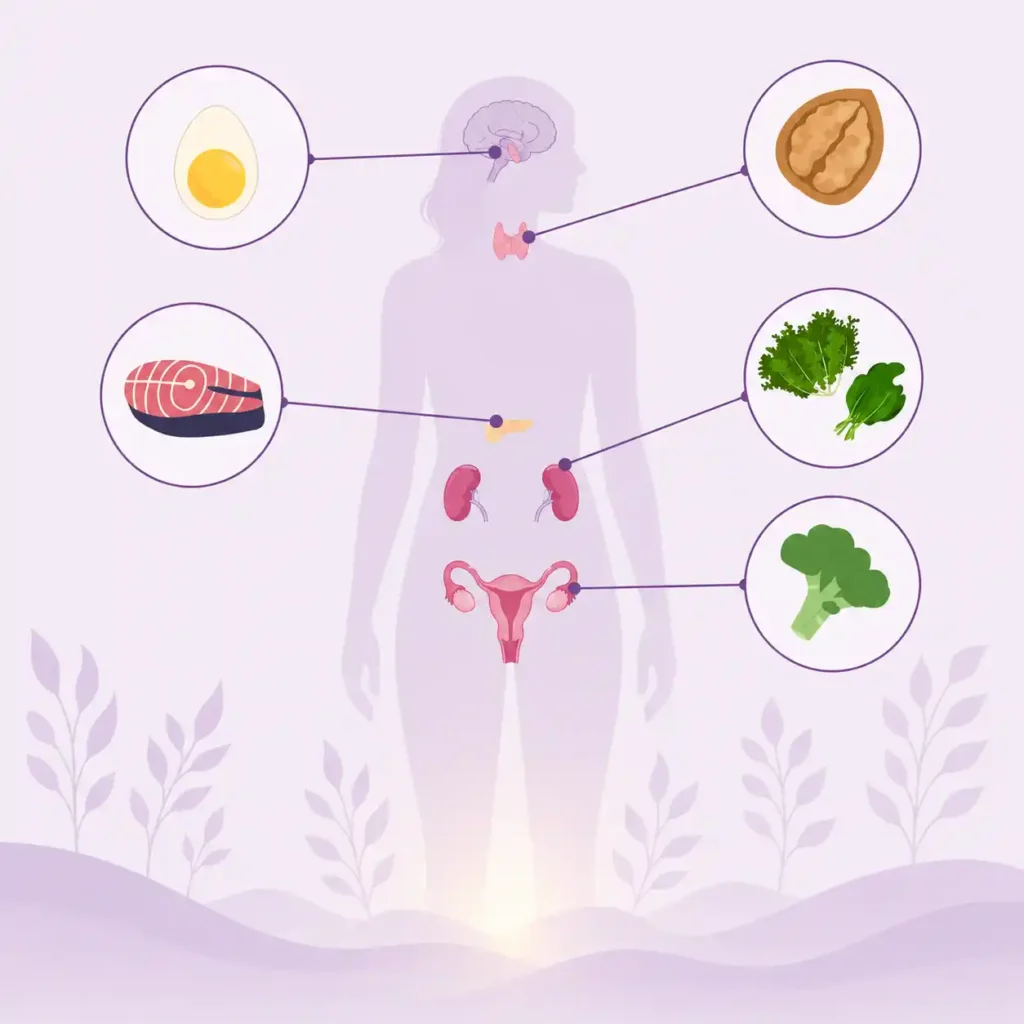
Try to include lean protein such as eggs, fish, chicken, and lentils, fruits, vegetables, nuts, walnuts and legumes in your diet.
- Consume Only Healthy Fats
Eating healthy fats may balance hormones related to hunger, metabolism, and fullness. For instance, red palm or coconut oil may help control the cells that determine how the body reacts to insulin and regulate hormone levels. Olive oil may also help maintain normal hormone levels that control hunger and promote the breakdown of protein and fat.
- Correct Vitamin and Mineral Deficiencies
Low levels of certain nutrients can affect hormone production and overall health. Your doctor may recommend supplements if tests show deficiencies in:
- Vitamin D
- Vitamin B12
- Iron
- Magnesium
Supplements should be taken only when needed and under medical supervision.
How Long Does it Take to Improve Hormonal Imbalance?
According to research by West Side Women’s Health, the time it takes to improve hormonal imbalance can be between 1 and 3 months, depending on your underlying cause, the severity of the condition, and how well your body responds to treatment. However, problems like PCOS or thyroid disorder can take 3 to 6 months and more.
Some women notice improvements within a few weeks after making lifestyle changes or starting medication, while others may need several months of consistent treatment to restore hormone balance.
Crysta IVF Expert Advice on Should You Be Concerned About Hormonal Imbalance?
“If you have irregular periods, unexplained weight changes, acne, excessive hair growth, or have been trying to conceive without success, don’t ignore these symptoms.
Many women come to us after trying home remedies or supplements they found online, hoping their hormones will ‘reset’ on their own. Unfortunately, there is no single remedy that works for everyone. It can be managed successfully with the right diagnosis and treatment.
In many cases, timely treatment not only improves symptoms like irregular periods, acne, and fatigue but also protects your long-term reproductive health and increases your chances of conceiving if you’re planning a pregnancy.”
Senior IVF Specialist
Crysta IVF, Delhi
Can Hormonal Imbalance Affect Fertility?
Yes, hormonal imbalance can affect fertility by disrupting ovulation, menstrual cycles, and the body’s ability to support a healthy pregnancy.
Hormones such as estrogen, progesterone, luteinizing hormone (LH), follicle-stimulating hormone (FSH), thyroid hormones, insulin, and prolactin all play an important role in reproduction. When these hormones are out of balance, it may become more difficult to conceive naturally.
These hormones can affect and result in:
- Irregular or absent ovulation
- Irregular menstrual cycles or delayed periods
- PCOS and thyroid disorders
- High prolactin levels
- Low progesterone levels or high estrogen levels
The good news is that many hormone-related fertility problems can be treated. For women who continue to face difficulty despite treatment, assisted reproductive techniques such as in-vitro fertilisation (IVF) may be recommended based on their individual condition.
How Does Hormonal Imbalance Affect Females During Pregnancy?
Hormonal imbalance during pregnancy can affect both the mother’s health and the baby’s development. While hormone levels naturally change throughout pregnancy to support the growing baby, conditions such as thyroid disorders, diabetes, PCOS, or low progesterone may require medical attention to reduce the risk of complications.
A pregnant woman must recognise any symptoms of hormonal imbalance and have them examined by the best doctors at any of the best IVF clinics in Delhi. The doctor will ensure you receive the right care, including medication, complementary therapies, or lifestyle modifications, to restore equilibrium and overall health.
functions, such as sexual functions, mood, growth and development, and metabolism. On the other hand, a sedentary lifestyle and poor diet might alter hormones in the body, resulting in Hormonal Imbalance.
7 Tips to Prevent Hormonal Imbalance
Hormonal imbalance cannot always be prevented, especially when it is caused by conditions such as PCOS, thyroid disorders, or menopause. However, following a healthy lifestyle can help maintain normal hormonal balance, such as:
- Keeping a healthy weight in mind.
- Eating a nutritious, well-balanced diet.
- Engaging in regular exercise.
- Controlling your tension and stress levels.
- Obtaining 7-9 hours of restful sleep.
- Taking good care of your long-term medical conditions (if any).
- If you smoke, you should stop using tobacco products.
The Bottom Line
Your hormones impact every facet of your health. For the best possible functioning of your body, you require them in very exact amounts. Your chances of obesity, diabetes, heart disease, and other illnesses may rise if you have hormone abnormalities.
Eating a well-balanced diet, exercising frequently, and practicing other health-promoting habits like meditation and getting adequate sleep may greatly enhance hormonal health.
In case you are pregnant or trying to get pregnant, you can consult with a fertility doctor in an IVF clinic in Delhi to know more about the problems you can face because of hormonal balance.
FAQs
Which fruit is best for hormones?
Avocados are among the best fruits for hormone balance. Avocados are rich in healthy fats and essential nutrients like vitamin B6 and magnesium, which support hormone regulation. Other good options include berries, pomegranates and apples for their antioxidants and fibre.
What foods balance hormones?
There are many foods that balance hormones. It includes whole grains, leafy greens, fatty fish, nuts, and seeds.
These foods are rich in fibre, omega-3s, and essential vitamins that support hormone production and regulation. Including them in your diet can help maintain hormonal balance.
How to check hormone levels?
Hormone levels are checked through blood, urine, or saliva tests. A healthcare provider can recommend specific tests based on symptoms and the cause of the problem.
Blood tests are the most common for measuring hormones like estrogen, progesterone, and testosterone.
What exercise is good for hormonal imbalance?
Doctors generally recommend moderate aerobic exercises like walking, cycling, and yoga are beneficial for hormonal imbalance.
However, these activities also reduce stress hormones (like cortisol) and promote the release of feel-good hormones (like endorphins), helping to balance overall hormone levels.
Can I get pregnant with a hormonal imbalance?
Yes, you can get pregnant with a hormonal imbalance, but it may be more challenging. Hormonal imbalances, especially those affecting ovulation (like PCOS), can make conception difficult.
However, consulting with a good fertility expert can help you get pregnant even with a hormonal level fluctuation.
Which vitamin is good for hormonal imbalance?
Vitamin D and B-complex vitamins are great for balancing hormones. Vitamin D supports mood and reproductive hormones, while B vitamins (like B6 and B12) help in reducing stress and maintaining energy levels.
What tests are done to check for a hormone imbalance?
The tests used to diagnose hormonal imbalance include blood tests, pelvic ultrasound, and MRI. Your doctor will decide which tests are appropriate based on your symptoms.
What is the fastest way to fix a hormonal imbalance?
There is no single or instant cure for hormonal imbalance. The fastest way to improve it is to identify the underlying cause and start the right treatment. Depending on the diagnosis, this may include medications, hormone therapy, treatment of conditions such as PCOS or thyroid disorders, along with lifestyle changes.