
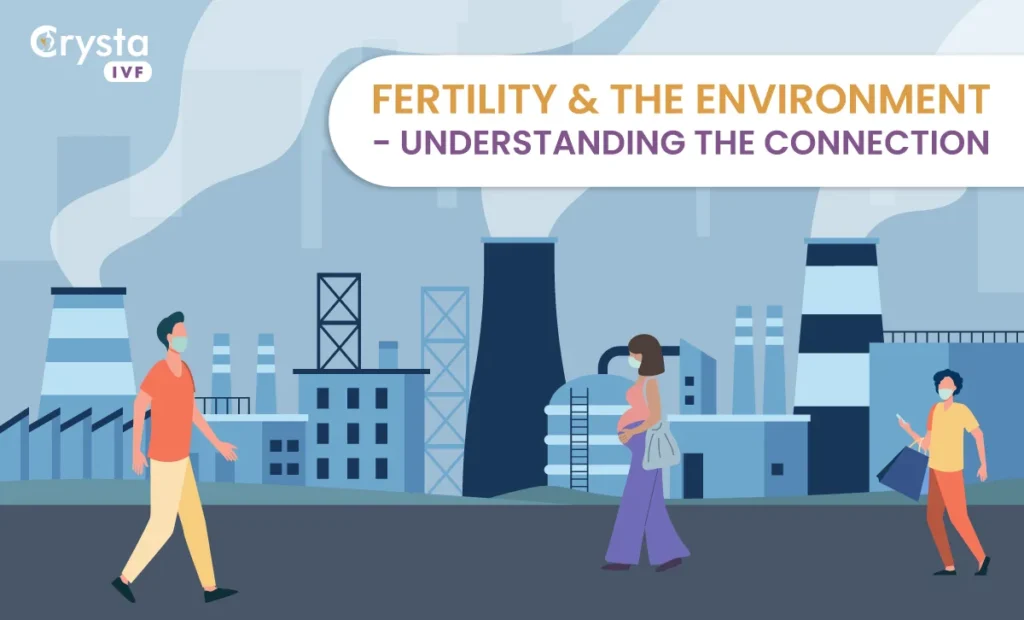
Fertility is a complex and multifaceted issue, and environmental factors can play a significant role in reproductive health. From pollution and pesticides to climate change and lifestyle factors, the environment can impact fertility in a variety of ways.
In recent years, there has been an increasing body of research on the link between environmental factors and fertility, and the results are concerning.
Studies have shown that exposure to certain environmental contaminants can disrupt reproductive hormones, impair fertility, and increase the risk of fertility issues.
According to a study conducted by the Indian Council of Medical Research, India is home to 15 of the 20 most polluted cities in the world, and 3 out of 4 Indians breathe toxic air.
This study found that by simply breathing clean air, the average Indian could live 1.7 years longer. The World Health Organization has also reported that around 91% of premature deaths linked to air pollution occur in low- and middle-income countries.
The Hidden Risk of Air Pollution on Reproductive Health: A Study
There is a growing body of evidence suggesting that air pollution may be linked to infertility. Let’s understand more about this invisible threat to your fertility health.
- Several studies have found that exposure to air pollution can negatively impact fertility health, particularly in women.
- One study found that women living in areas with high levels of air pollution were more likely to have difficulty becoming pregnant and were also more likely to have miscarriages.
- Another study found that exposure to air pollution was associated with a decrease in the number of eggs in the ovaries, as well as an increase in the number of abnormal eggs.
- In men, exposure to air pollution has been linked to a decrease in sperm count and motility, as well as an increase in abnormal sperm.
- Some environmental factors have also been linked to an increased risk of testicular cancer, which can affect fertility.
Overall, the evidence suggests that air pollution may have negative impacts on fertility health, both in men and women.
Therefore, people need to take steps to minimize their exposure to air pollution, such as by living in areas with lower levels of pollution and by using air purifiers in their homes.
Environmental Factors That May Affect Fertility Health
Environmental factors have a dramatic impact on fertility health worldwide. Various environmental factors impacting fertility health can affect both men and women.
Here are six of the most common:
1. Exposure to pollution
Air and water pollution can have a negative impact on fertility health, particularly for people living in urban areas. Exposure to toxic chemicals and pollutants can damage the reproductive system and reduce fertility.
Certain pollutants in the air can disrupt hormones, making it difficult for women to conceive. Therefore, it’s important to limit your exposure to these pollutants as much as possible.
2. Exposure to harmful chemicals
Human beings worldwide are exposed to a wide variety of chemicals in their daily life. However, exposure to certain chemicals can have adverse effects on fertility health.
- In men, exposure to certain harmful chemicals can significantly lower sperm count and motility, affecting reproductive ability. These chemicals include lead, pesticides, and solvents.
- In women, exposure to certain chemicals can disrupt hormone function, which can affect fertility and pregnancy. These chemicals include bisphenol A (BPA), phthalates, and polychlorinated biphenyls (PCBs).
- Despite this, exposure to harmful radiation, such as that used in cancer treatment, can damage reproductive organs and affect fertility.
It’s essential to be aware of the potential risks associated with exposure to harmful chemicals and to take steps to minimize exposure.
3. Temperature & excessive heat
Exposure to high temperatures can negatively affect sperm health, including reduced production and the production of abnormally shaped sperm cells. This can lead to infertility. Excessive exposure to heat can be due to various factors, including environmental and physiological factors.
A report has also identified occupational heat exposure as a significant risk factor for male infertility.
4. Pesticide risk
While the link between pesticides and fertility is unknown, research has found that exposure to pesticide-laced produce has been associated with lower semen quality in men.
Pesticides are chemicals that are used to kill pests, but they can also have negative effects on human health. Some studies have shown that exposure to pesticides can reduce fertility in both men and women.
5. Heavy Metals
Research has increasingly suspected that excessive exposure to heavy metals, such as lead, mercury, and cadmium, can severely impact fertility health.
- In men, exposure to heavy metals is associated with low sperm count & motility that may lead to infertility. Excessive heavy metal exposure can also impact the production of sperm cells, which can affect fertility.
- In women, heavy metal exposure can disrupt hormone function, which can affect fertility and pregnancy. It can also cause problems with the development of the fetus, leading to birth defects or other complications.
6. Other environmental & lifestyle factors
Fertility health is also affected by a number of lifestyle factors. This include –
- Diet: What we eat can greatly impact fertility health, so it’s important to maintain a healthy and balanced diet.
- Stress: Chronic stress can have a negative impact on fertility health, and it can disrupt the menstrual cycle, affect ovulation, and reduce sperm count and motility.
- Smoking: Smoking can reduce fertility in both men and women, so it’s best to avoid it altogether.
- Lack of physical activity can lead to an unhealthy weight and impact hormone production.
- Alcohol: Drinking alcohol excessively can reduce fertility in both men and women. It can also increase the risk of birth defects in pregnant women.
- Poor nutrition can lead to a deficiency of essential vitamins and minerals for reproductive health.
By being aware of these environmental factors and taking steps to reduce exposure and minimize their impact, you can help protect your fertility health.
To Finish Things Off
While some studies suggest that specific environmental exposures may increase the risk of infertility, the evidence is often too limited to draw firm conclusions. But it’s clear that environmental factors can significantly impact fertility health.
From exposure to harmful chemicals to the effects of radiation and heavy metals, the modern world presents a range of potential threats to reproductive health.
It’s not always possible to completely eliminate these risks. It’s essential to be aware of them and take steps to minimize your exposure. This can include –
- reducing exposure to environmental toxins
- avoiding smoking,
- limiting alcohol intake,
- washing hands after coming into contact with chemicals,
- wearing protective gear when handling hazardous substances, and
- using caution when selecting personal care products.
Additionally, couples should be aware of their reproductive health and seek medical attention promptly if any irregularities arise.
A fertility specialist at the best IVF center in Mumbai can help you understand the potential causes of your fertility issues and recommend treatment options that may help improve your chances of conceiving.
Taking steps to reduce exposure and remain vigilant of one’s reproductive health is the best way to ensure a healthy reproductive future.